The news
The Anthropic Queensland data center deal, reported on September 16, 2026, gives the Claude developer a lease on the first building of a proposed A$32 billion (about US$22.8 billion) campus near Dalby. ABC News reported its understanding, not a company statement, that Anthropic will use the site to answer user requests rather than train models.
The Western Downs Digital Park is being developed by Singapore-based Zerra DC on about 725 hectares. Anthropic aims to start using capacity in 2027, according to ABC News, while full construction is expected to take four to six years. The Tech Capital described the lease as Anthropic's first such agreement in Australia.
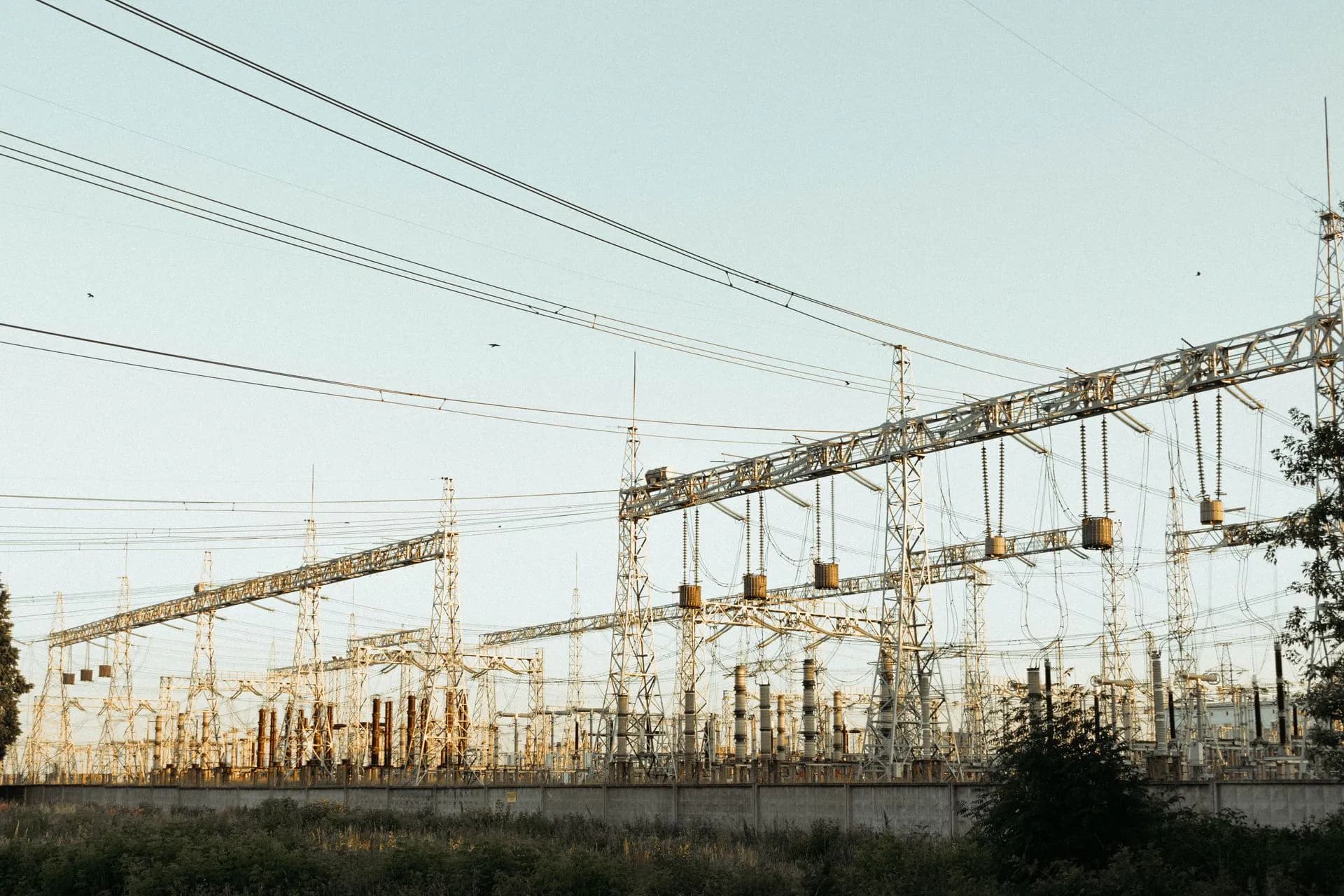
The scale is large by any measure. Developer Zerra DC puts peak electrical capacity at 2.16 gigawatts, and engineer Andreas Helwig estimated for ABC News that the full site would use 43 to 47 gigawatt-hours a day, roughly 25% to 30% of Queensland's average daily electricity use. RenewEconomy calculated the peak load at about 20% of the state's summer peak demand. The Tech Capital's lower 1.44-gigawatt figure refers to IT capacity across four 360-megawatt buildings, Brisbane Development reported, citing developer Zerra DC.
The project is not yet approved. ABC News reported it needs local council planning approval, with an application lodged in August 2026, and clearance from the Foreign Investment Review Board, which reviews foreign investment in Australia. Estimates of the workforce vary: the local mayor cited about 1,000 jobs, while developer Zerra DC put the figure near 1,400 ongoing roles, plus 1,500 construction workers, per a later ABC explainer.
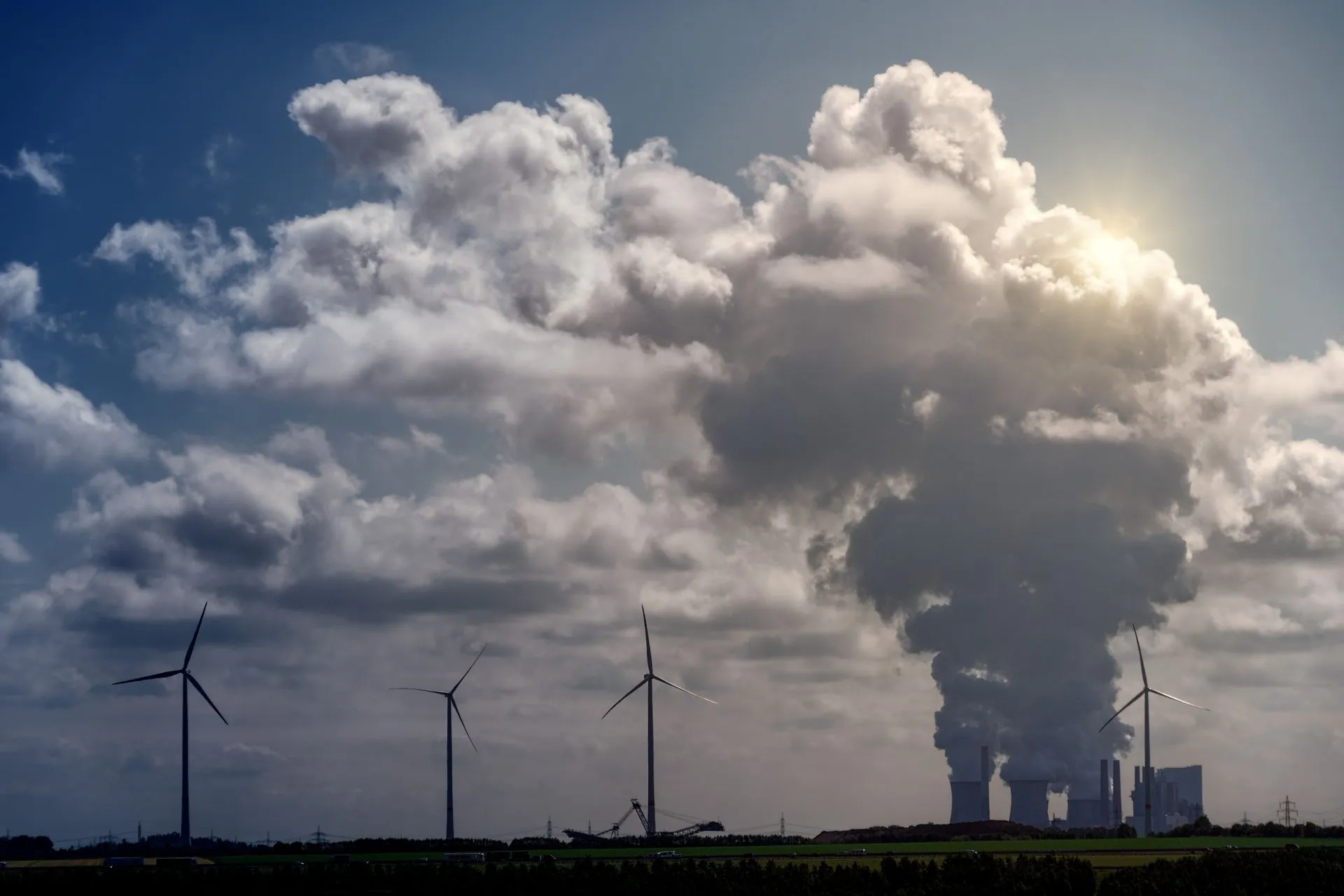
Queensland Premier David Crisafulli announced the agreement in state Parliament on September 16, saying it would deliver jobs and add energy to the grid; ABC News reported he also said it would lower power prices. The site will draw on a grid mix that includes coal, gas and renewables, and RenewEconomy cited Greenpeace's reading of planning documents that the first stage could run on gas generated on site. ABC News said Anthropic plans renewable power purchase agreements with outside suppliers. A local group, Save Our Darling Downs, has raised concerns about energy use and groundwater.
The numbers
- Proposed campus value
- A$32 billion (about US$22.8 billion)
- Peak electrical capacity, per developer Zerra DC
- 2.16 gigawatts
- IT capacity across four buildings, per Brisbane Development
- 1.44 gigawatts
- Estimated daily energy use at full build-out, per engineer Andreas Helwig
- 43–47 gigawatt-hours
- Site area
- About 725 hectares
- Anthropic's targeted start
- 2027
- Australia's current data center capacity, per ABC News (August)
- 1.6 gigawatts
Why CEOs should care
For companies buying Claude in Australia and nearby markets, local inference capacity can mean lower latency and a stronger case for keeping data in the country. Anthropic has not said whether it will offer contractual Australian data residency from the site, so procurement teams should ask directly, and should not plan around 2027 availability until the council and Foreign Investment Review Board decisions are in.
CFOs and sustainability leads should treat this as a reporting issue. AI usage sits in a customer's supply-chain emissions, and this campus will lean on a grid that still burns coal and gas while Anthropic lines up renewable contracts. Ask AI vendors for location-level emissions data and for the timing of any renewable supply before counting on green claims in your own disclosures.
Boards should note the policy risk. Federal Energy Minister Chris Bowen said in August that there would be no carve-outs from Canberra's plan for data centers to be backed by 100% renewable energy, while Western Downs Mayor Andrew Smith has said the Queensland government will not put roadblocks in front of the application. A clash between the two could slow or reshape one of the region's largest AI capacity additions.
The bigger picture
The deal shows AI labs moving inference, the day-to-day work of answering prompts, closer to customers in other regions. ABC News reported in August that Australia's total data center computing capacity is about 1.6 gigawatts. The same ABC report said NSW government emails showed Anthropic had sought up to 5 gigawatts of AI training capacity in that state, a sign that Australia is being weighed as a large base for AI compute, not just a regional outpost.
The policy backdrop is unsettled. ABC News reported in August that the federal approach would require data centers to be matched with 100% renewable energy plus firming from batteries or gas, with states able to seek Commonwealth approval for alternatives. Bowen said states would have to show such alternatives were cheaper and better for the grid than renewables.
What’s next
Watch three decisions: the Western Downs council's ruling on the planning application, the Foreign Investment Review Board's review, and whether Canberra legislates its renewables standard for data centers with or without room for Queensland's gas-backed approach. Any signed renewable supply agreements from Anthropic would also indicate how quickly the site can move off fossil power.
What “Fact-checked” means
Fact-checking means testing a story’s facts against the evidence before it is published. This story went through at least two separate checks before this version was published.
- What we checked
- Its names, figures, dates, job titles, quotes and who said what were checked against the story’s sources, including its main source where it could be opened. The headline was checked for accuracy and overstatement.
- How
- A first check reviewed the whole story. If it passed, a second, skeptical check went back to the sources to look for mistakes in the most important facts. If a check flagged the story, it was edited to fix the problems found, and a separate re-check then reviewed the whole story again.
- Who
- The checks are made by our newsroom, as steps kept separate from the writing, under rules set by our editor, Hussein Mukhtar. A story the checks still flag is held for the editor, who decides whether it is fixed, published or dropped.
- If something is wrong
- “Fact-checked” does not mean error-free. If a material error is found after publication, we correct the story and add a note saying what changed. Report an error
Companies in this story