The news
Positron AI raises $875 million, a total that includes up to $500 million in a Series C-1, to bring its next inference chip to market, the company announced on September 10, 2026. The round values the startup at $5 billion and funds a design built on commodity memory instead of the specialized memory most AI chips use.
The financing combines a $375 million Series C, at a $3.5 billion pre-money valuation, with up to $500 million more in a Series C-1, according to Positron's announcement. NEA, Atreides Management, Valor Equity Partners, Andra Capital and SemiAnalysis Capital co-led the Series C, and NEA and Jim Clark led the C-1. Other backers include DFJ Growth, the Qatar Investment Authority, Hudson River Trading, Cisco Investments and Naver Ventures.
Positron was valued at $1 billion after a February 2026 funding round, according to the Wall Street Journal, as reported by Quartz, making the new mark roughly five times higher about seven months later. Four investors join the board, including Gavin Baker of Atreides Management and Dylan Patel of SemiAnalysis Capital.
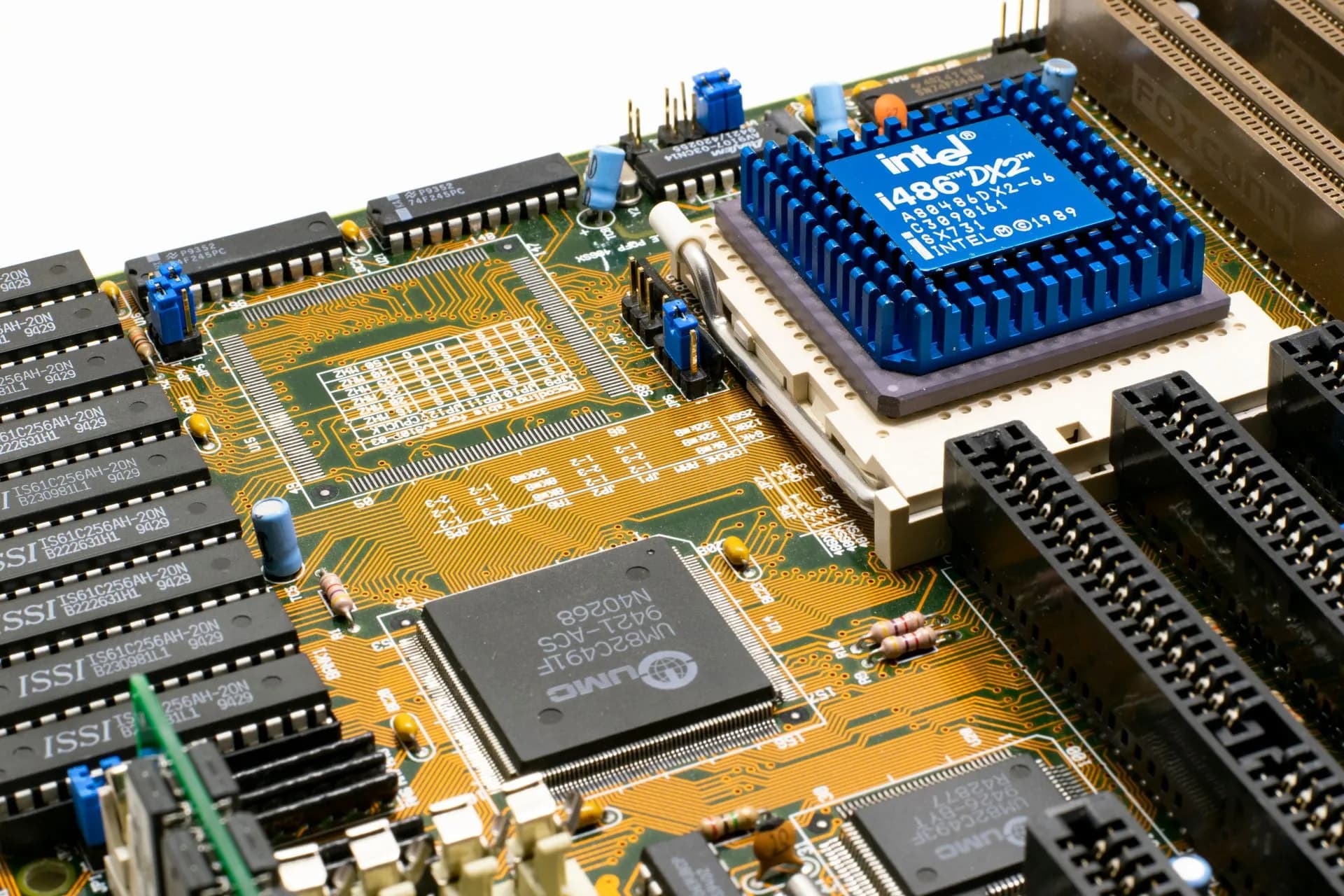
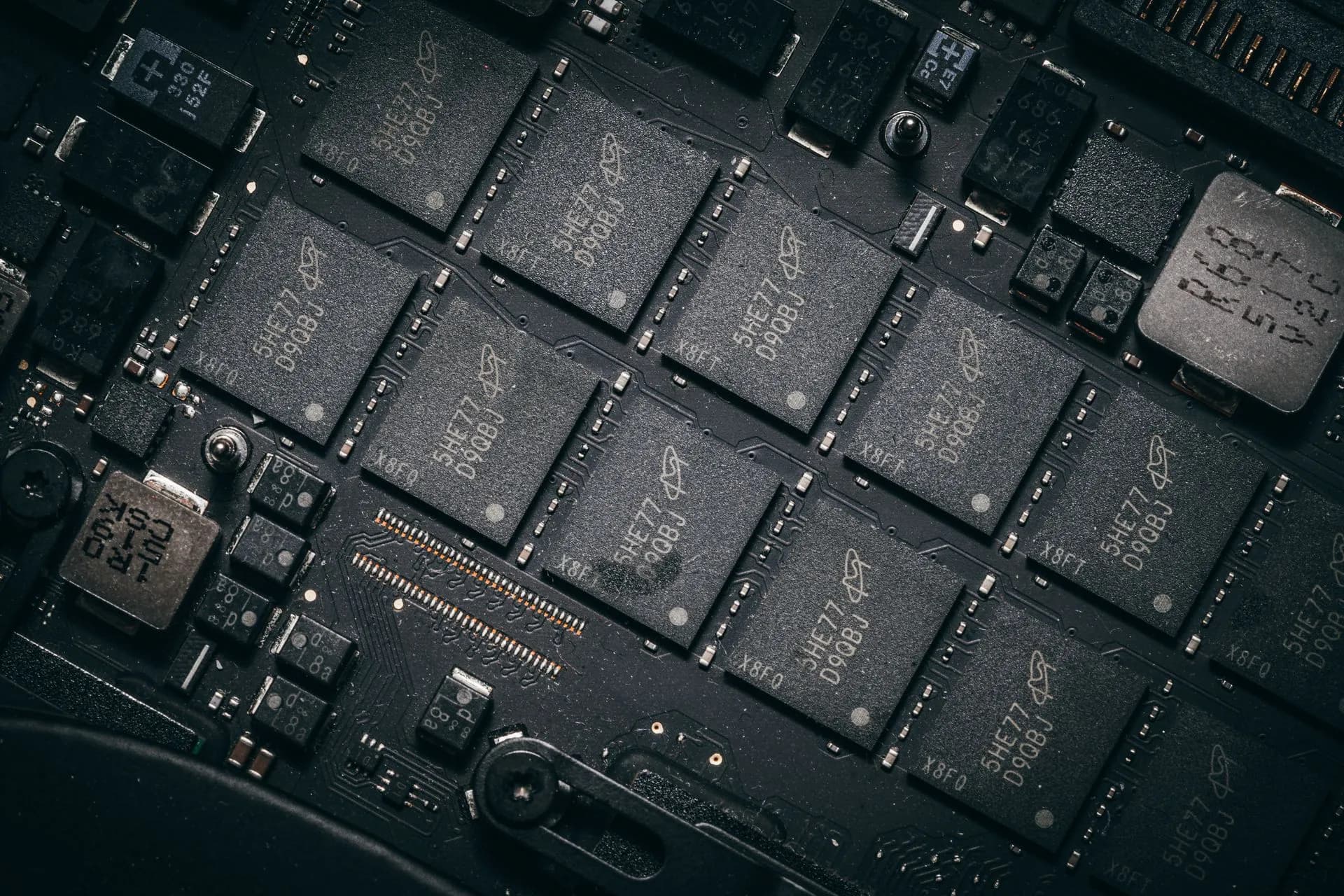
Positron's pitch is a memory-first design. Its next chip, Asimov, uses commodity LPDDR5X memory, the type found in phones and laptops, rather than high-bandwidth memory (HBM), the stacked memory placed beside most leading AI processors, whose supply constraints Positron says it avoids. The company says each Asimov chip will carry 288 to 2,304 gigabytes of memory, will tape out, or finalize its design for manufacturing, on TSMC's N3P process at the end of 2026, and will enter production in the second half of 2027.
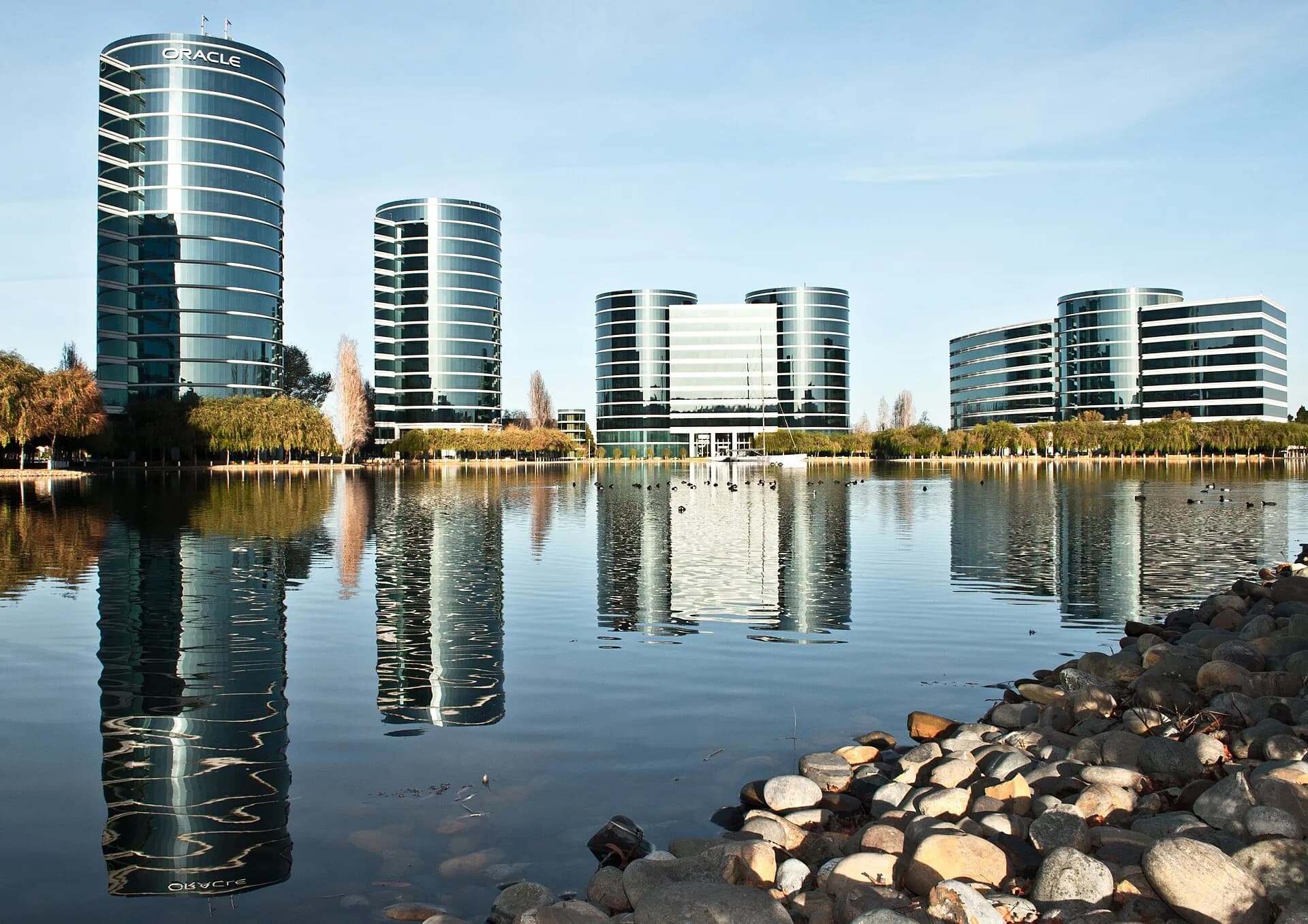
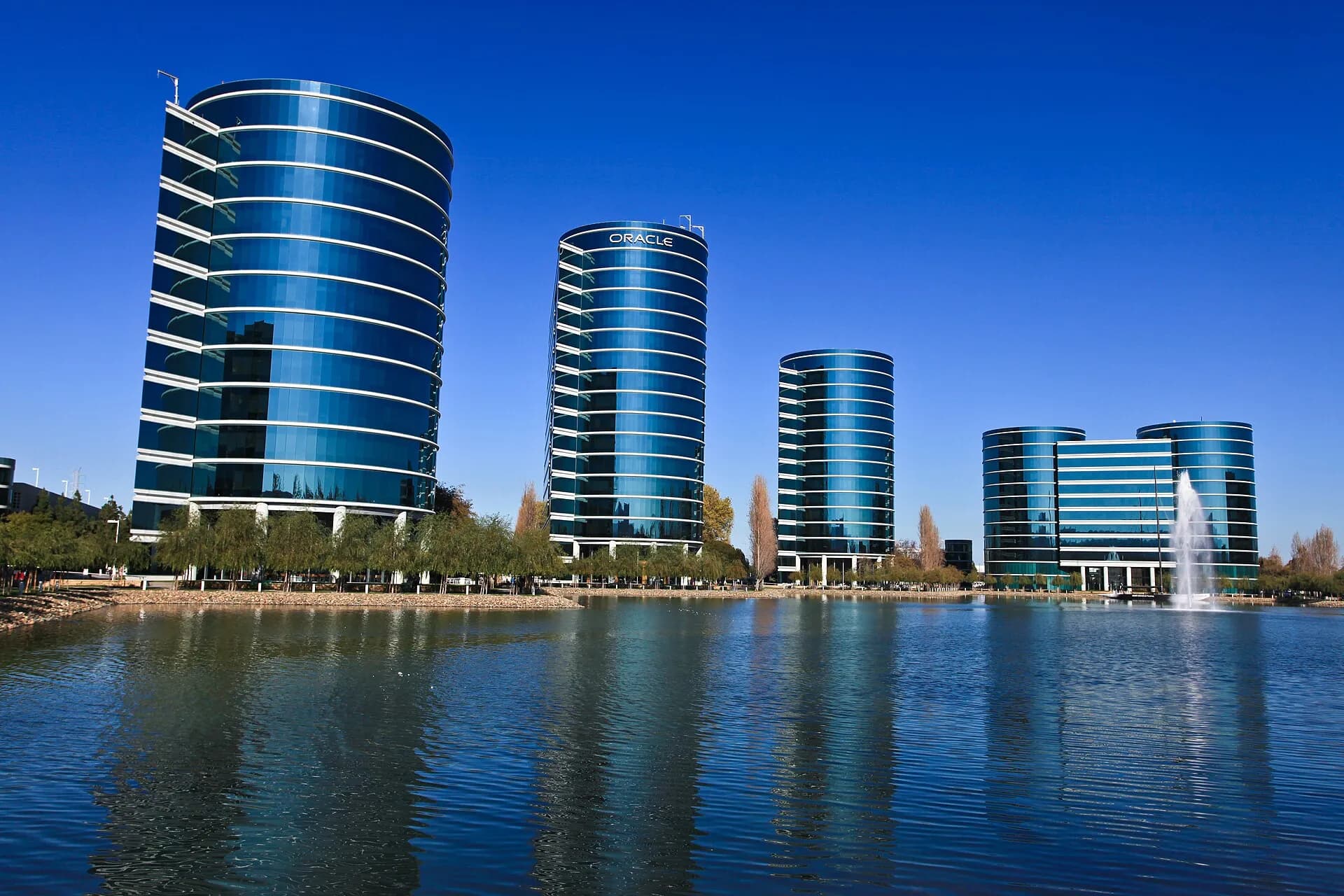
The company already sells a first-generation system called Atlas. Positron says it is deploying more than 50 Atlas racks at Oracle Cloud Infrastructure, where partner Parasail uses the capacity for its own inference service, and it lists Jump Trading and i3d.net as other customers. A multi-chip system named Titan, combining four to eight Asimov chips, is aimed at models with more than 16 trillion parameters, according to the company.
Chief executive Mitesh Agrawal said the priorities now are to tape out Asimov, bring Titan to production and scale manufacturing, Quartz reported. Positron said the money will also fund an engineering data center of more than 2 megawatts and supply commitments.
The numbers
- Total raised
- $875 million ($375 million Series C + up to $500 million Series C-1)
- Post-money valuation
- $5 billion
- Valuation in February 2026, per the Wall Street Journal via Quartz
- $1 billion
- Memory per Asimov chip
- 288–2,304 GB
- Atlas racks being deployed at Oracle Cloud Infrastructure
- More than 50
- Asimov production target
- Second half of 2027
Why CEOs should care
For technology buyers, the practical question is what can be used now. Positron's current Atlas systems are being deployed at Oracle Cloud Infrastructure, so teams running large inference workloads can ask Oracle (ORCL) or Positron's partner Parasail about pilot access and cost per token against Nvidia-based instances. Asimov, the chip this round funds, is not due in production until the second half of 2027, so no current capacity plan should depend on it.
CFOs should watch the memory angle. Inference cost is heavily shaped by how much memory a chip can reach and how fast, and Positron is betting that cheaper, widely available memory can match designs that depend on high-bandwidth memory. If that bet works, it adds price pressure on inference hardware over the next two years; if tape-out or production slips, the savings slip with it. Budget models should treat challenger hardware as upside, not baseline.
Boards and investment committees should note how quickly private valuations in AI chips are moving: fivefold in about seven months here, based on the February valuation the Wall Street Journal reported and Quartz cited. The investor list also includes SemiAnalysis Capital, whose Dylan Patel joins the board, which is a reminder to check investor relationships when weighing third-party analysis of chip performance.
The bigger picture
Positron's round landed two days after Qualcomm (QCOM) and Amazon (AMZN) announced, on September 8, 2026, a multi-generation collaboration on custom inference silicon for AWS data centers. Together they show money flowing toward inference, the stage where AI models serve real users and where costs recur every day, and toward hardware that could give buyers alternatives to Nvidia (NVDA) processors.
What’s next
The milestones to track are the Asimov tape-out at the end of 2026, the first Titan systems reaching production, and whether any cloud provider beyond Oracle commits to Positron hardware at scale. Any delay to the TSMC N3P schedule would push the 2027 production target. Positron has not disclosed pricing for Atlas capacity on Oracle's cloud, which buyers will need before they can compare costs.
What “Fact-checked” means
Fact-checking means testing a story’s facts against the evidence before it is published. This story went through at least two separate checks before this version was published.
- What we checked
- Its names, figures, dates, job titles, quotes and who said what were checked against the story’s sources, including its main source where it could be opened. The headline was checked for accuracy and overstatement.
- How
- A first check reviewed the whole story. If it passed, a second, skeptical check went back to the sources to look for mistakes in the most important facts. If a check flagged the story, it was edited to fix the problems found, and a separate re-check then reviewed the whole story again.
- Who
- The checks are made with our newsroom’s technology tools, as steps kept separate from the writing, under rules set by our editor, Hussein Mukhtar. A story the checks still flag is not published automatically; it is held for the editor, who decides whether it is fixed, published or dropped.
- If something is wrong
- “Fact-checked” does not mean error-free. If a material error is found after publication, we correct the story and add a note saying what changed. Report an error