The news
Six Samsung companies said on September 29, 2026 that they will invest a combined $1 billion in Helix Digital Infrastructure, a KKR-founded company set up to develop AI data centers and the power to run them, as the group pushes beyond selling components into building AI infrastructure.
Samsung Electronics (005930.KS) will invest $500 million, according to Samsung's announcement. The remaining $500 million comes from Samsung C&T, Samsung SDS, Samsung SDI, Samsung Life Insurance and Samsung Fire & Marine Insurance. The companies did not disclose the size of the resulting stake or Helix's valuation.
Helix launched in June 2026 and aims to cover the whole chain that hyperscalers, the largest cloud and AI operators, need to add capacity: developing and operating data centers, generating power from both baseload and flexible sources, building transmission and distribution lines, and laying fiber. It is led by Adam Selipsky, the former chief executive of Amazon Web Services, and draws on KKR's infrastructure business of about 170 professionals, Samsung said.
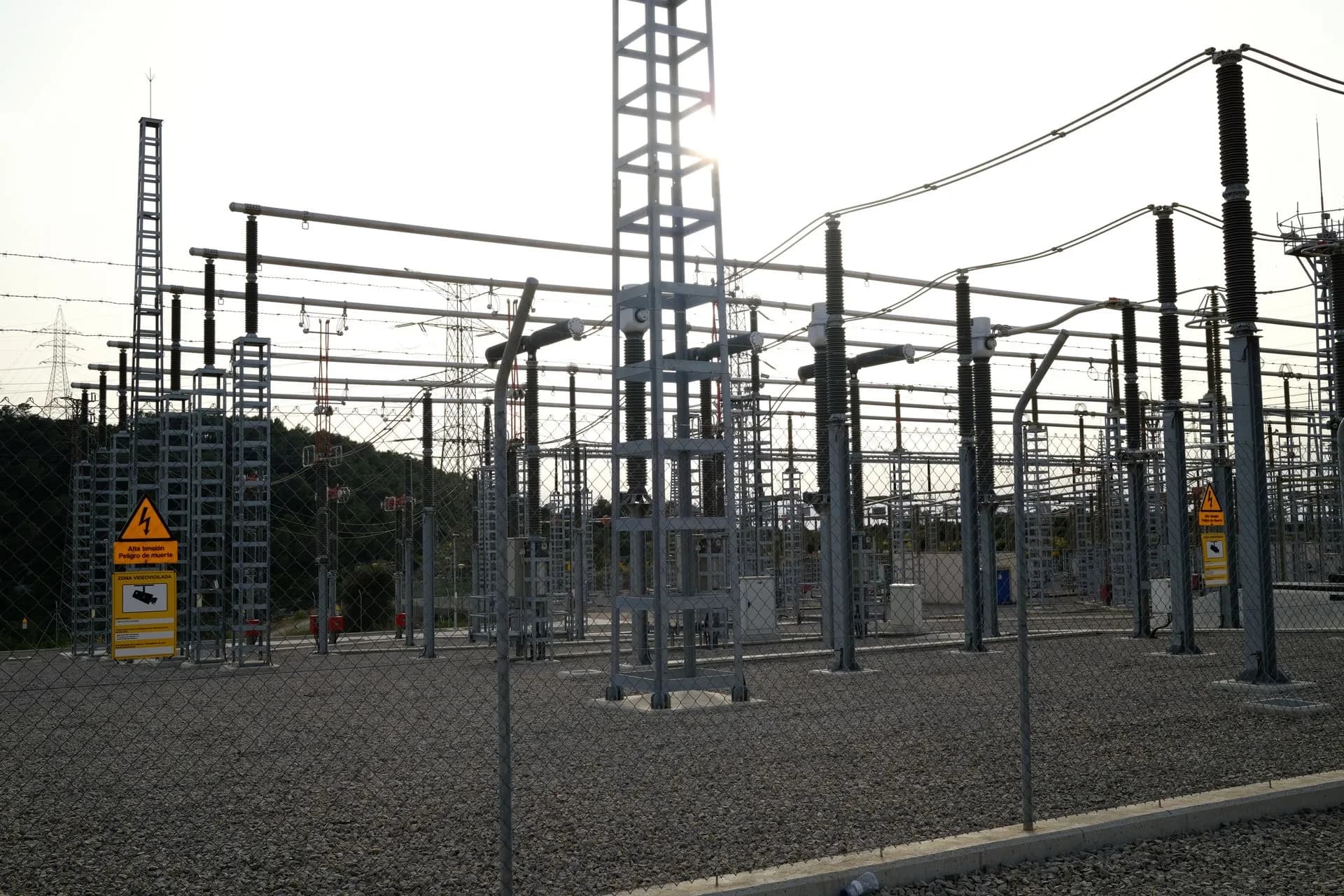
Samsung joins KKR, the Kuwait Investment Authority, Nvidia and U.S. power producer Vistra as founding investors. When KKR launched Helix in June 2026, it said Helix had more than $10 billion in long-duration capital commitments, with Nvidia as a strategic partner and Vistra as its preferred power partner. Samsung said Helix plans to secure energy capacity quickly through direct investment and partnerships with major developers, including Vistra, calling power availability the biggest bottleneck in AI infrastructure.
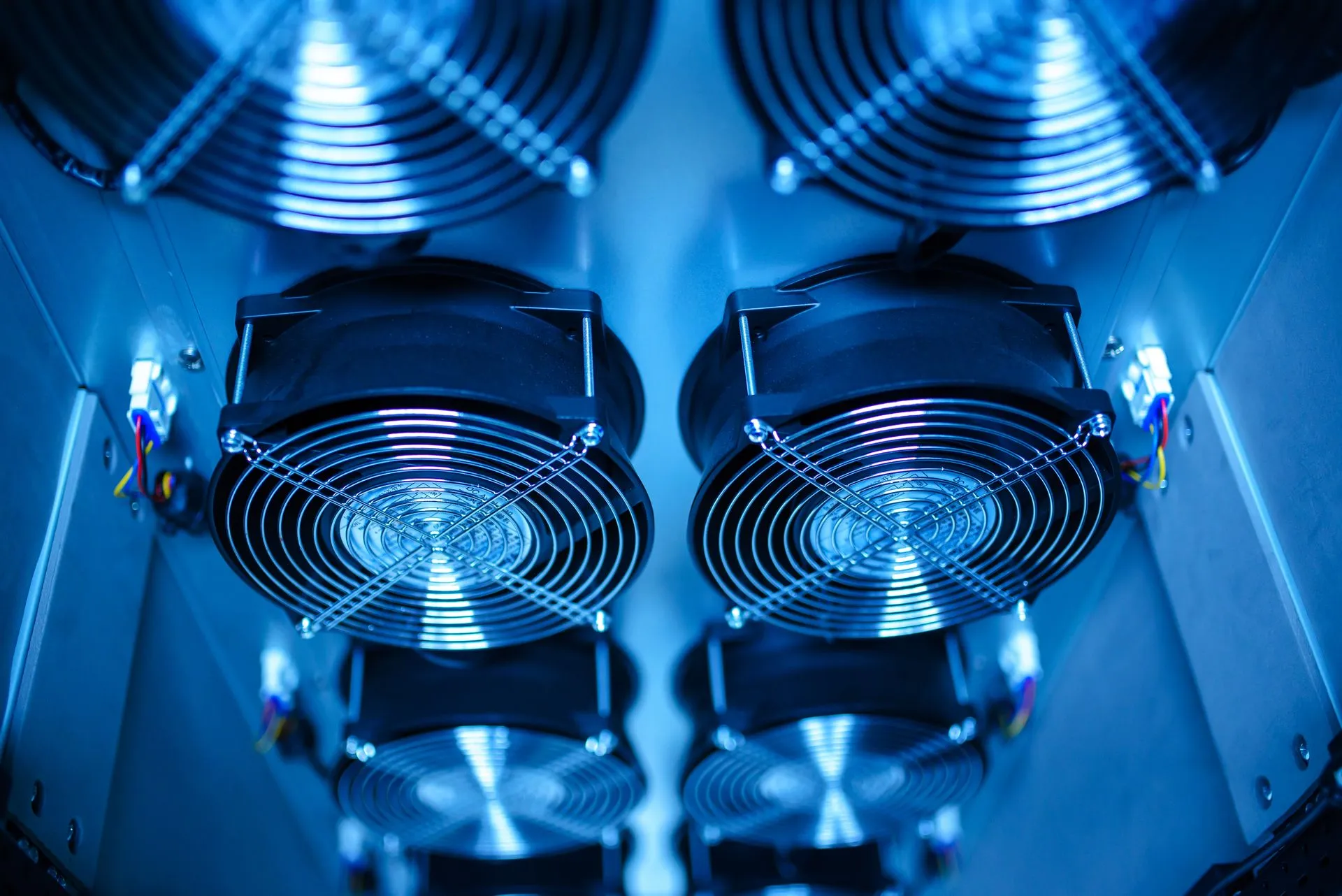
Each affiliate brings a piece of the stack, according to Samsung. Samsung Electronics' chip division supplies semiconductors; its device division sells data center cooling, including liquid-cooling equipment, through FläktGroup, which it acquired in 2025. Samsung C&T works as an engineering, procurement and construction contractor, Samsung SDS designs and runs data centers, and Samsung SDI makes backup power systems.
The numbers
- Total Samsung investment
- $1 billion
- Samsung Electronics' share
- $500 million
- Samsung affiliates investing
- 6
- Helix long-duration capital commitments (per KKR, June 2026)
- More than $10 billion
- KKR infrastructure professionals supporting Helix
- About 170
Why CEOs should care
For companies buying AI capacity, Helix is a new kind of supplier: one that sells data center space, power and connectivity as a package. If power is the bottleneck Samsung describes, a provider that controls generation and grid connections could offer firmer delivery dates. If you are sourcing large blocks of capacity, ask Helix and its rivals how much power is contracted versus planned, when it comes online, and who carries the risk if a site slips. Also ask how its pricing compares with traditional colocation providers.
For CFOs and investors, note the circularity. Samsung is investing in a company whose build-out could buy Samsung memory, cooling equipment, batteries and construction services, and Nvidia is an investor as well as a likely chip supplier. Arrangements like this can secure demand for suppliers, but they also blur the line between customer and shareholder. When evaluating vendors or portfolio companies tied to AI infrastructure, ask how much revenue comes from entities they have invested in.
For boards, the deal shows how component makers are trying to capture more of the value in AI spending. Samsung said the investment should help it expand beyond supplying hardware components and take a larger role in shaping AI infrastructure. Directors at other suppliers should ask whether minority stakes in infrastructure developers would strengthen their position or tie up capital in a crowded market.
The bigger picture
Samsung's group-wide push is visible across the week. On September 28, Samsung Electro-Mechanics disclosed a 4.27 trillion won investment in AI server chip substrates, partly funded by big tech customers. Together, the two moves show Samsung companies seeking a stake in AI infrastructure at several layers, from the substrate under the chip to the power plant feeding the data center. Helix is also led by a former AWS chief executive, and its target customers are hyperscalers, a group that includes his former employer.
What’s next
Watch for Helix to name its first sites, power agreements and anchor tenants, and for whether Samsung affiliates win supply or construction contracts on those projects. Any disclosure of Helix's valuation or of additional investors would show how the market is pricing integrated data center and power developers.
What “Fact-checked” means
Fact-checking means testing a story’s facts against the evidence before it is published. This story went through at least two separate checks before this version was published.
- What we checked
- Its names, figures, dates, job titles, quotes and who said what were checked against the story’s sources, including its main source where it could be opened. The headline was checked for accuracy and overstatement.
- How
- A first check reviewed the whole story. If it passed, a second, skeptical check went back to the sources to look for mistakes in the most important facts. If a check flagged the story, it was edited to fix the problems found, and a separate re-check then reviewed the whole story again.
- Who
- The checks are made with our newsroom’s technology tools, as steps kept separate from the writing, under rules set by our editor, Hussein Mukhtar. A story the checks still flag is not published automatically; it is held for the editor, who decides whether it is fixed, published or dropped.
- If something is wrong
- “Fact-checked” does not mean error-free. If a material error is found after publication, we correct the story and add a note saying what changed. Report an error