The news
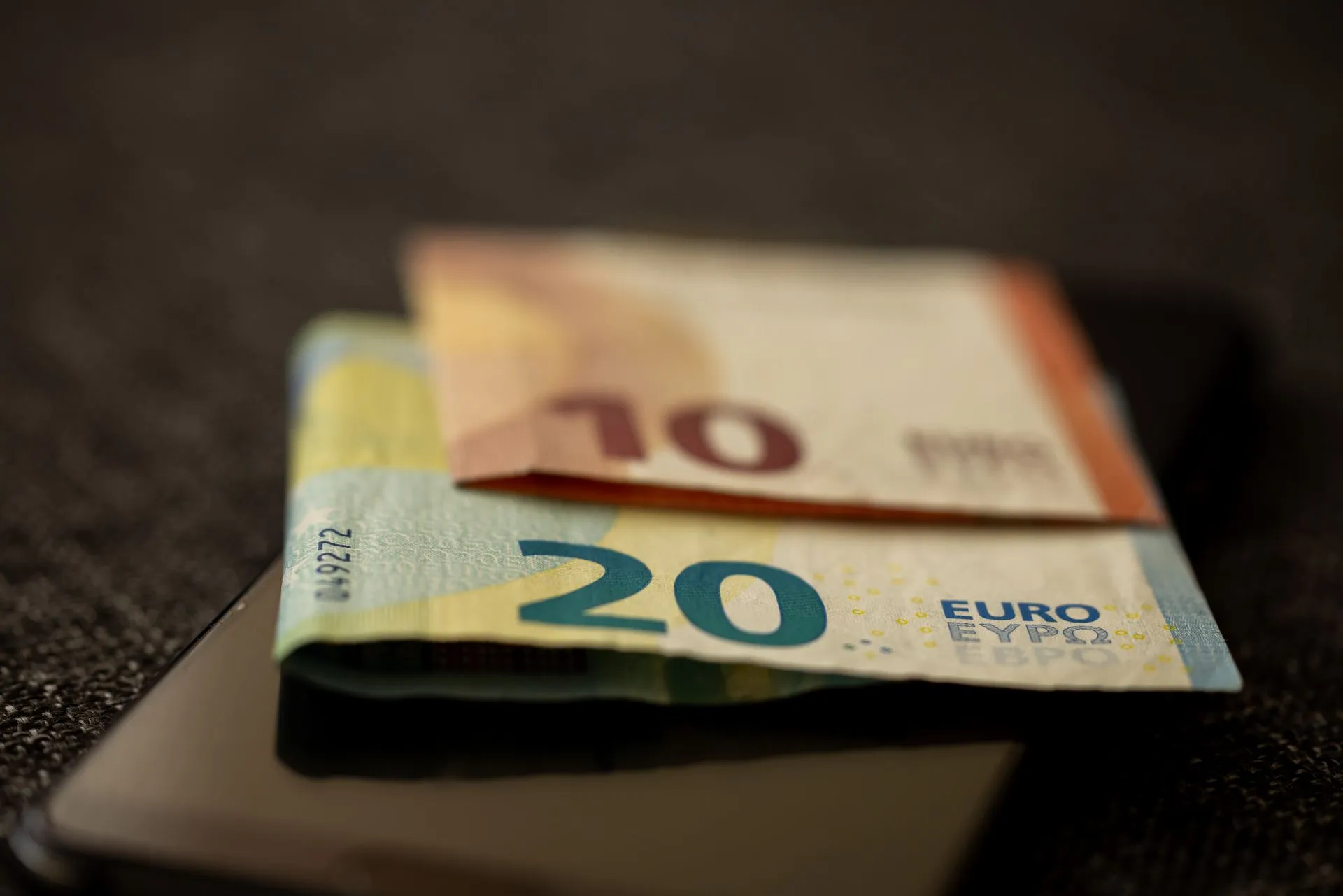
The European Central Bank (ECB) on September 28 invited companies to join a new wave of its digital euro innovation platform, with two workstreams running in the first half of 2027. Applications are due by 17:00 Central European Time on Monday, November 9.
The digital euro is a proposed digital form of central bank money for the euro area. The call is open to merchants, payment service providers, fintech companies, technical service providers, consumer associations, public institutions and research institutes, the ECB said. It encourages joint applications, especially from organizations that play different roles in the payments chain.
The experimentation workstream, running from January to June 2027, aims to turn earlier ideas into concrete solutions. The ECB listed four focus areas: electronic receipts built into payment apps, multi-payer and multi-payee transactions, conditional payments that execute automatically when set conditions are met, and app features and value-added services. According to the call, participants will submit a proof of concept and an outcome report, and the ECB may publish the key findings.
The exploration workstream will hold workshops at the ECB's premises in Frankfurt in the first and second quarters of 2027. It will look at future technology for the digital euro's infrastructure, including artificial intelligence (AI) in payments, and at public-sector uses such as transport, utility bills, smart cities and financial inclusion.
The ECB said it will pick participants based on motivation, relevance, innovation potential, alignment with digital euro design principles, expertise, technical readiness, and diversity of geography and industry. It repeated that the final decision on whether to issue a digital euro will only be taken once the relevant EU legislation has been adopted.
The call sits alongside other preparation work. On November 28, 2025, the ECB said the Eurosystem would run a 12-month pilot with selected payment service providers starting in the second half of 2027. On July 14, 2026, the ECB said it had selected 36 providers, including banks and non-bank firms, for that pilot from more than 50 applications. In a March 24, 2026 statement to the European Parliament, ECB Executive Board member Piero Cipollone said the working assumption was a first issuance in 2029, provided legislation is adopted in time.
The numbers
- Application deadline
- 17:00 CET, November 9, 2026
- Experimentation workstream
- January to June 2027
- Exploration workshops (Frankfurt)
- Q1 and Q2 2027
- Digital euro pilot (announced November 28, 2025)
- 12 months, starting second half of 2027
- Payment service providers selected for the pilot (July 14, 2026)
- 36, from more than 50 applications
- ECB working assumption for first issuance (Cipollone, March 24, 2026)
- 2029, if legislation is adopted in time
Why CEOs should care
For payment providers and fintechs selling in Europe, this is a chance to influence how the digital euro works before its technical rules and interfaces are settled. Features such as conditional and multi-payee payments matter for marketplaces, travel, subscriptions and business-to-business invoicing. Decide by November 9 whether to apply, which focus area fits your roadmap, and whether a joint bid with a merchant or bank partner would be stronger. Budget engineering and product time for January to June 2027.
CFOs and heads of payments at European merchants should not wait for a launch date. Ask your acquirers and payment providers whether they plan to take part and what their digital euro roadmap looks like, since the ECB's experiments on receipts and split payments could shape checkout and reconciliation. Retailers with loyalty or e-receipt programs have an obvious reason to apply directly.
Technology leaders building AI-driven payments should note that the exploration workstream includes AI in payments. Taking part offers a direct line to the central bank on how automated payments might be governed. Boards of European payment companies should also track the ECB's timeline: a pilot from the second half of 2027 and a working assumption of issuance in 2029, both dependent on EU legislation.
The bigger picture
The ECB is building industry involvement while EU legislation remains a precondition for issuance. Cipollone told the European Parliament in March that the digital euro would provide common infrastructure and shared standards the market can build on, and the innovation platform is how the ECB tests which added services firms would actually build. When the ECB selected its 36 pilot providers in July, Cipollone said the strong market interest showed the private sector's readiness to engage actively with the digital euro project.
What’s next
Applications close on November 9, 2026, with experiments starting in January 2027. After that, the milestones to watch are adoption of the EU digital euro legislation, the start of the 12-month pilot with the 36 selected payment service providers in the second half of 2027, and whether the ECB keeps its 2029 working assumption.
What “Fact-checked” means
Fact-checking means testing a story’s facts against the evidence before it is published. This story went through at least two separate checks before this version was published.
- What we checked
- Its names, figures, dates, job titles, quotes and who said what were checked against the story’s sources, including its main source where it could be opened. The headline was checked for accuracy and overstatement.
- How
- A first check reviewed the whole story. If it passed, a second, skeptical check went back to the sources to look for mistakes in the most important facts. If a check flagged the story, it was edited to fix the problems found, and a separate re-check then reviewed the whole story again.
- Who
- The checks are made by our newsroom, as steps kept separate from the writing, under rules set by our editor, Hussein Mukhtar. A story the checks still flag is held for the editor, who decides whether it is fixed, published or dropped.
- If something is wrong
- “Fact-checked” does not mean error-free. If a material error is found after publication, we correct the story and add a note saying what changed. Report an error