The news
Nuveen, the investment manager owned by TIAA, said on October 1, 2026, that it had completed its acquisition of London-based Schroders. The Nuveen Schroders acquisition creates an active asset and wealth manager spanning public and private markets, with $2.6 trillion in assets under management as of June 30, 2026, according to Nuveen.
Scottish Financial News valued the takeover at £9.9 billion. The terms, first announced on February 12, 2026, offered Schroders shareholders £5.90 per share plus permitted dividends of up to 22p, for a total of up to £6.12 per share, a 29% premium to the pre-announcement closing price, according to the outlet. It reported that shareholders backed the deal with 99.9% support at the April annual general meeting.
Schroders shares were suspended from trading on the London Stock Exchange on October 1 and were due to be delisted from the Main Market by October 2, according to Scottish Financial News. The outlet said the Schroder family stands to receive about £4.3 billion, ending more than 200 years of family control.
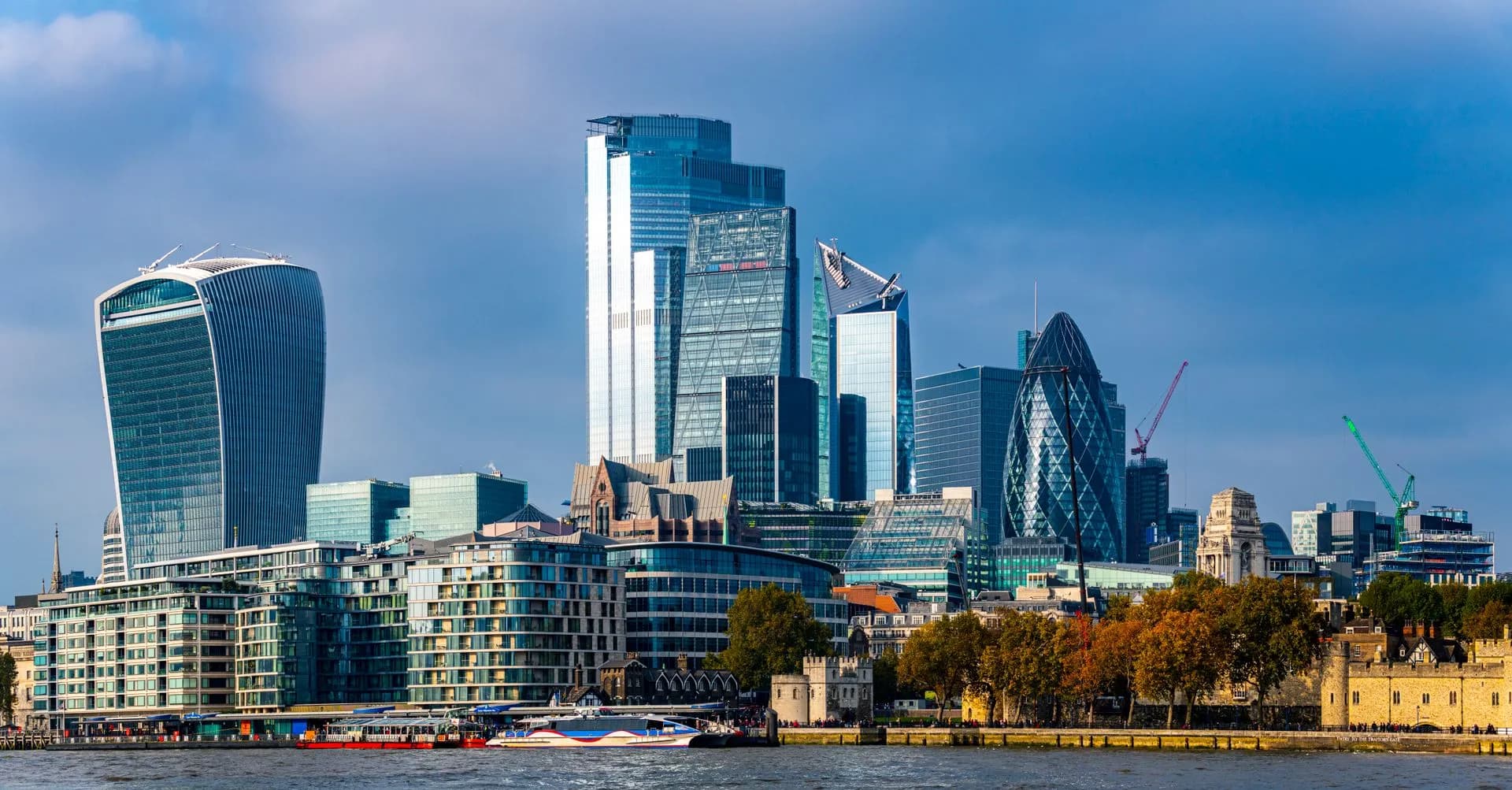
Under the new structure, Schroders will operate separately within Nuveen for 12 to 18 months, Nuveen said. Richard Oldfield stays on as Group Chief Executive of Schroders and reports to Nuveen CEO William Huffman. Saira Malik serves as chief investment officer of the unified platform, Johanna Kyrklund as CIO of Public Markets & Solutions, and Matt Oomen leads global client coverage. London becomes the combined firm's non-US headquarters and largest office.
Nuveen said the combined firm has a $400 billion private markets platform and operates in more than 40 markets across the US, UK, Europe and Asia-Pacific. TIAA CEO Thasunda Brown Duckett said the deal creates one of the largest active global asset managers in the world.
The numbers
- Combined AUM (June 30, 2026)
- $2.6 trillion
- Deal value
- £9.9 billion (Scottish Financial News)
- Price per share
- Up to £6.12 incl. dividends
- Premium
- 29%
- Private markets platform
- $400 billion
- Separate operation period
- 12 to 18 months
Why CEOs should care
For institutional investors and wealth platforms that use either firm, integration is the practical issue. Over the 12-to-18-month separation period, ask about changes to fund ranges, fees, portfolio manager teams and client service contacts, and when any fund mergers would be proposed.
For CFOs and boards at mid-sized asset managers, the deal raises the scale bar. A manager with $2.6 trillion and a $400 billion private markets arm can spread technology, distribution and compliance costs across a far larger base. Smaller rivals should be clear on whether they plan to specialise, partner or seek a buyer.
For technology vendors serving asset managers, a combination of this size usually brings platform consolidation: order management, data and risk systems used by two firms will eventually be reduced to one. Vendors should expect contract reviews during integration and should map which systems each firm runs.
The bigger picture
The deal fits a broader push by asset managers to combine public markets with private assets such as private credit, real estate and infrastructure, where fees tend to be higher. Huffman said the combination creates a platform with leading performance across every major capital market.
It also moves a long-independent British name under American ownership, though Nuveen is keeping London as its largest office. Oldfield argued that active management is more relevant than ever, a stance that runs against the long shift of investor money into passive index funds.
What’s next
The next milestones are the integration plan for Schroders after the separation period, any changes to fund line-ups or leadership, and whether rival managers respond with deals of their own to keep pace on scale.
What “Fact-checked” means
Fact-checking means testing a story’s facts against the evidence before it is published. This story went through at least two separate checks before this version was published.
- What we checked
- Its names, figures, dates, job titles, quotes and who said what were checked against the story’s sources, including its main source where it could be opened. The headline was checked for accuracy and overstatement.
- How
- A first check reviewed the whole story. If it passed, a second, skeptical check went back to the sources to look for mistakes in the most important facts. If a check flagged the story, it was edited to fix the problems found, and a separate re-check then reviewed the whole story again.
- Who
- The checks are made by our newsroom, as steps kept separate from the writing, under rules set by our editor, Hussein Mukhtar. A story the checks still flag is held for the editor, who decides whether it is fixed, published or dropped.
- If something is wrong
- “Fact-checked” does not mean error-free. If a material error is found after publication, we correct the story and add a note saying what changed. Report an error