The news
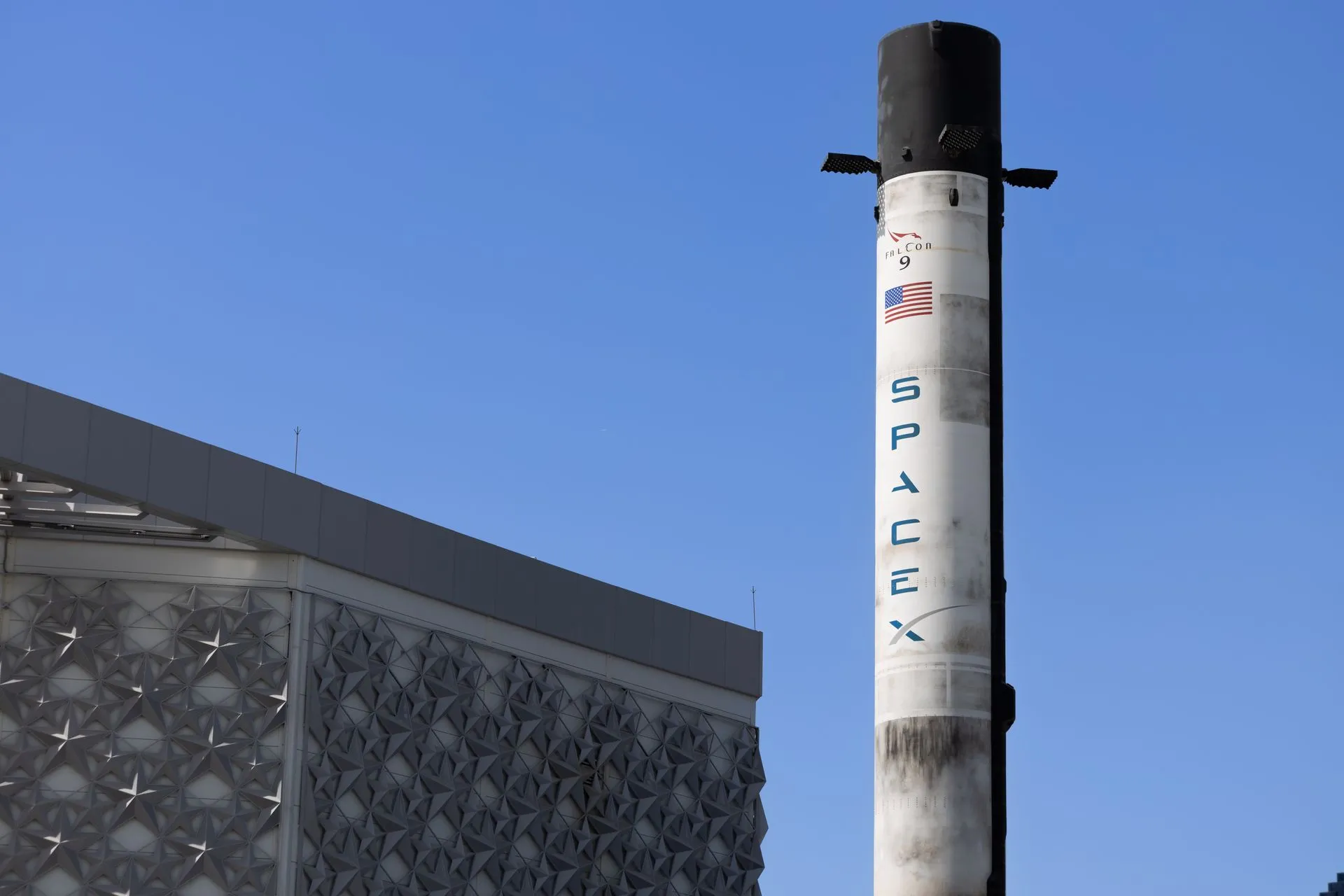
Xona Pulsar GPS alternative news: Xona Space Systems, a Burlingame, California startup building a commercial alternative to GPS, is preparing to launch six satellites on a SpaceX rocket in October 2026, TechCrunch reported on October 9. The satellites are the first step toward Pulsar, a planned 258-satellite network.
Four of the six satellites replicate a prototype Xona tested last year and are built on platforms from Aerospacelab, according to TechCrunch. The other two were built entirely by Xona in Burlingame and form the foundation of the operational Pulsar constellation.
Xona says Pulsar will deliver centimeter-level accuracy, compared with the meter-level accuracy typical of GPS, work indoors and in dense cities, and broadcast signals strong enough to resist jamming and spoofing. Jamming drowns out navigation signals; spoofing feeds receivers false ones. The company says it designed the system to work with existing devices.
Beta testing will begin once the satellites are in orbit and passing over mid-latitudes eight times a day, TechCrunch reported. Timebeat, a timing company led by Ian Gough, plans to pilot the service for verifying electronic timing. Xona is targeting full coverage of the US, Europe, Japan and South Korea by 2028.
The launch follows a Federal Communications Commission (FCC) decision giving Xona conditional authorization to run Pulsar's L-band navigation signals commercially, as reported by SDxCentral. The FCC initially approved 16 spacecraft and requires half of the 258-satellite constellation in orbit by July 2032 and the rest by July 2035.
Xona was founded in 2019 by five alumni of Stanford's aerospace engineering graduate program, including chief technology officer Tyler Reid. Brian Manning is CEO. The company has raised more than $300 million from investors, including $20 million from the US Space Force, according to TechCrunch.
The numbers
- Satellites in October 2026 launch
- 6
- Planned Pulsar constellation
- 258 satellites
- Total raised (incl. $20M from US Space Force)
- Over $300 million
- Full coverage target (US, Europe, Japan, South Korea)
- 2028
- FCC deadline for half the constellation
- July 2032
Why CEOs should care
For chief operating officers in logistics, aviation, shipping and telecom, GPS is a single point of failure that most companies never budgeted for. Jamming and spoofing are no longer only military problems. Ask your teams which systems depend on GPS for position or timing, what happens if the signal is wrong rather than absent, and whether any backup exists.
For CFOs and heads of trading or payments infrastructure, precise timing matters as much as location. Networks, data centers and transaction systems timestamp events using satellite time. Xona's first named pilot, Timebeat, is focused on exactly that: verifying electronic timing. That makes timing a practical early use case to watch, ahead of consumer navigation.
For CISOs and risk officers, the point is resilience, not replacement. Pulsar is not yet in service, and coverage targets run to 2028. The near-term action is a dependency map and a vendor watchlist. Manning's comment to TechCrunch that the market lies in the billions of devices sold each year suggests Xona will seek to work through chip and hardware makers, so ask your equipment suppliers whether they plan to support additional navigation signals.
The bigger picture
GPS, run by the US government from medium Earth orbit, has weak signals by the time they reach the ground, which is why jamming is cheap. Xona is betting that satellites in low Earth orbit, much closer to Earth, can broadcast stronger, authenticated signals. It describes Pulsar as the only FCC-authorized private navigation constellation operating alongside the government systems of the US, Europe, China and Russia, as reported by SDxCentral.
What’s next
The test now is execution: a successful October launch, a beta that delivers the accuracy Xona promises, and enough further launches to meet its 2028 coverage target and the FCC's July 2032 milestone.
What “Fact-checked” means
Fact-checking means testing a story’s facts against the evidence before it is published. This story went through at least two separate checks before this version was published.
- What we checked
- Its names, figures, dates, job titles, quotes and who said what were checked against the story’s sources, including its main source where it could be opened. The headline was checked for accuracy and overstatement.
- How
- A first check reviewed the whole story. If it passed, a second, skeptical check went back to the sources to look for mistakes in the most important facts. If a check flagged the story, it was edited to fix the problems found, and a separate re-check then reviewed the whole story again.
- Who
- The checks are made by our newsroom, as steps kept separate from the writing, under rules set by our editor, Hussein Mukhtar. A story the checks still flag is held for the editor, who decides whether it is fixed, published or dropped.
- If something is wrong
- “Fact-checked” does not mean error-free. If a material error is found after publication, we correct the story and add a note saying what changed. Report an error