The news
AI infrastructure risk now spans energy politics and supply chains. On September 28, TechCrunch reported that AI dominated New York Climate Week and divided attendees, and The Register detailed a report finding EU-headquartered firms hold only 6% of the EU market for data center chips.
TechCrunch climate reporter Tim De Chant wrote that energy-focused founders on one panel wanted the AI buildout to move faster, while other founders worried the data center boom is drawing investor attention away from other climate technologies. Critics also pointed to the number of natural gas power plants being built to run data centers. Money is flowing: TechCrunch, citing PitchBook, said venture deal value in the sector had risen for four straight quarters and topped $14 billion in the first quarter of 2026.
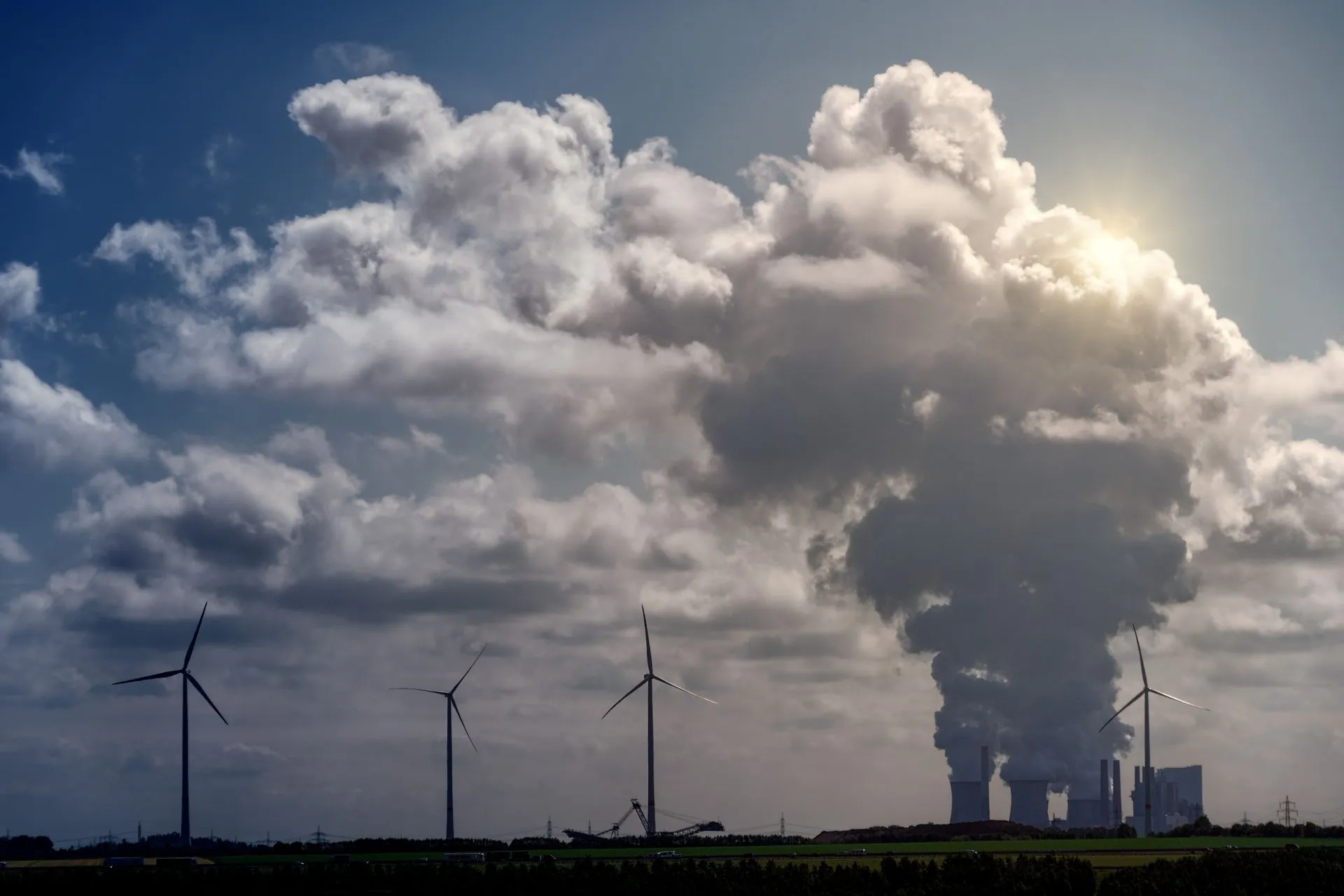
Those gas projects are large. On April 3, 2026, TechCrunch reported plans including up to 5 gigawatts (GW) of gas-fired power in West Texas tied to Microsoft (MSFT), Chevron (CVX) and Engine No. 1, and 7.46 GW for Meta's (META) Hyperion data center in Louisiana. The same report cited a Wood Mackenzie forecast that gas turbine prices could rise 195% by the end of 2026 compared with 2019, and noted that natural gas generates about 40% of US electricity.
The International Energy Agency (IEA) projected in April 2025 that global data center electricity use would more than double by 2030 to around 945 terawatt-hours, with renewables and natural gas expected to meet most of that growth because of their cost and availability.
In Europe, the issue is who makes the hardware. A report by the Global Electronics Association, an industry group, found that EU-headquartered companies account for 6% of the EU market for data center semiconductors, 7% of server manufacturing and assembly, and 8% of cloud infrastructure. According to The Register, chip manufacturing is concentrated in Taiwan and chip design in the US, while servers come mainly from American companies. The findings land as the EU's Cloud and AI Development Act aims to at least triple the bloc's data center capacity within five to seven years.
In a separate Register column, Rupert Goodwins argued that the data center industry has hurt its own standing through secrecy and that no reliable public data shows how much electricity AI uses. He called for open-source-style transparency to rebuild public trust.
The numbers
- EU firms' share of EU data center semiconductor market (GEA)
- 6%
- EU firms' share of server manufacturing and assembly (GEA)
- 7%
- EU firms' share of cloud infrastructure (GEA)
- 8%
- Projected global data center electricity use by 2030 (IEA, April 2025)
- About 945 TWh
- Gas-fired capacity planned for Meta's Hyperion site (TechCrunch, April 2026)
- 7.46 GW
- Climate tech venture deal value, Q1 2026 (PitchBook via TechCrunch)
- More than $14 billion
Why CEOs should care
For CFOs, AI capacity plans now carry energy price risk. If the data centers you rely on draw on new gas-fired generation, compute costs become exposed to fuel prices and turbine supply, and TechCrunch noted on April 3, 2026, that contract terms for these projects have not been disclosed. Ask cloud and colocation providers how power costs pass through to your contracts, whether prices are fixed or indexed, and how much of the capacity you depend on runs on new gas plants.
For European CIOs and boards, the Global Electronics Association figures mean sovereignty claims deserve scrutiny. A cloud region located in Europe can still run on US-designed chips made in Taiwan and servers from American vendors. For workloads covered by sovereignty or resilience requirements, ask providers to document where each layer comes from, from chips and servers to the cloud software that manages them, and what their plan is if supply of any layer is interrupted.
For sustainability chiefs and communications teams, the Climate Week split is a sign that corporate AI use will face questions from employees, investors and local communities. Companies with emissions targets should ask AI vendors for workload-level energy and emissions data. If Goodwins is right that reliable figures are scarce, vendors that can supply them will make reporting easier and should score higher in procurement.
The bigger picture
Energy and hardware sourcing used to be problems for hyperscalers, the largest cloud providers. As more companies sign multi-year AI capacity deals, they inherit those problems through prices, contract terms and regulatory exposure. Europe's plan to at least triple data center capacity while most of the hardware comes from abroad, and America's turn to new gas generation, mean the cost of AI compute will depend partly on politics that neither buyers nor vendors control.
What’s next
Watch how EU lawmakers handle the Cloud and AI Development Act, and whether the Global Electronics Association's call to use the EU market's size to attract manufacturing shapes it. In the US, watch gas turbine supply and power pricing for new data center projects. Companies drafting 2027 AI budgets should add energy and supply-chain scenarios before committing to long-term capacity.
What “Fact-checked” means
Fact-checking means testing a story’s facts against the evidence before it is published. This story went through at least two separate checks before this version was published.
- What we checked
- Its names, figures, dates, job titles, quotes and who said what were checked against the story’s sources, including its main source where it could be opened. The headline was checked for accuracy and overstatement.
- How
- A first check reviewed the whole story. If it passed, a second, skeptical check went back to the sources to look for mistakes in the most important facts. If a check flagged the story, it was edited to fix the problems found, and a separate re-check then reviewed the whole story again.
- Who
- The checks are made by our newsroom, as steps kept separate from the writing, under rules set by our editor, Hussein Mukhtar. A story the checks still flag is held for the editor, who decides whether it is fixed, published or dropped.
- If something is wrong
- “Fact-checked” does not mean error-free. If a material error is found after publication, we correct the story and add a note saying what changed. Report an error