The news
Amazon (AMZN) committed more than $1 billion over five years to communities hosting its data centers, AWS CEO Matt Garman wrote in a blog post reported October 2, 2026. The Amazon data center pledge answers growing local opposition to AI data centers.
The money will go to education, job training, water and energy preservation projects and other local priorities, according to the Associated Press. Garman wrote that Amazon had already spent more than $1 billion in communities with a large data center presence over the past three years. He also said Amazon no longer uses nondisclosure agreements (NDAs) with the government agencies it works with on projects, and that it hosts open houses to explain its plans, TechCrunch and the AP reported.
Garman framed opposition as a national risk. He cited more than 100 data center moratoriums under consideration around the United States and warned, as quoted by the AP, that the U.S. could be writing its own losing ticket in the AI race. He also disputed common complaints: he said direct data center water use is about 0.5% of US industrial water use, and that rising electricity rates in some states reflect aging grid infrastructure rather than data centers, TechCrunch reported.
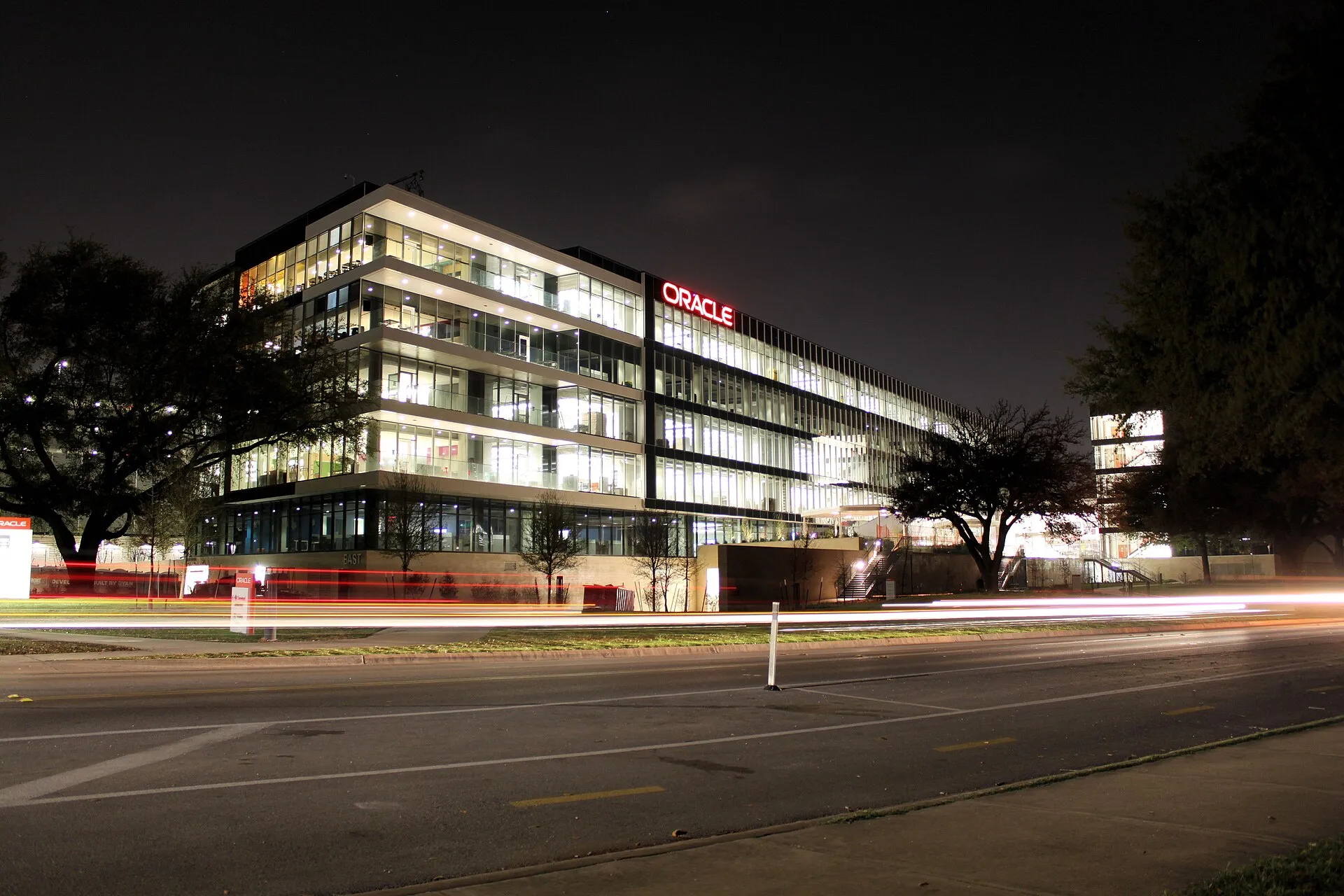
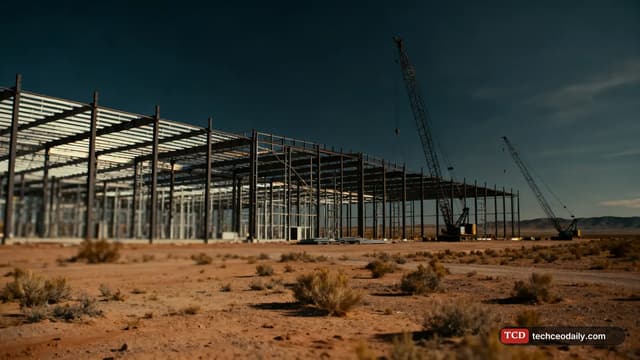
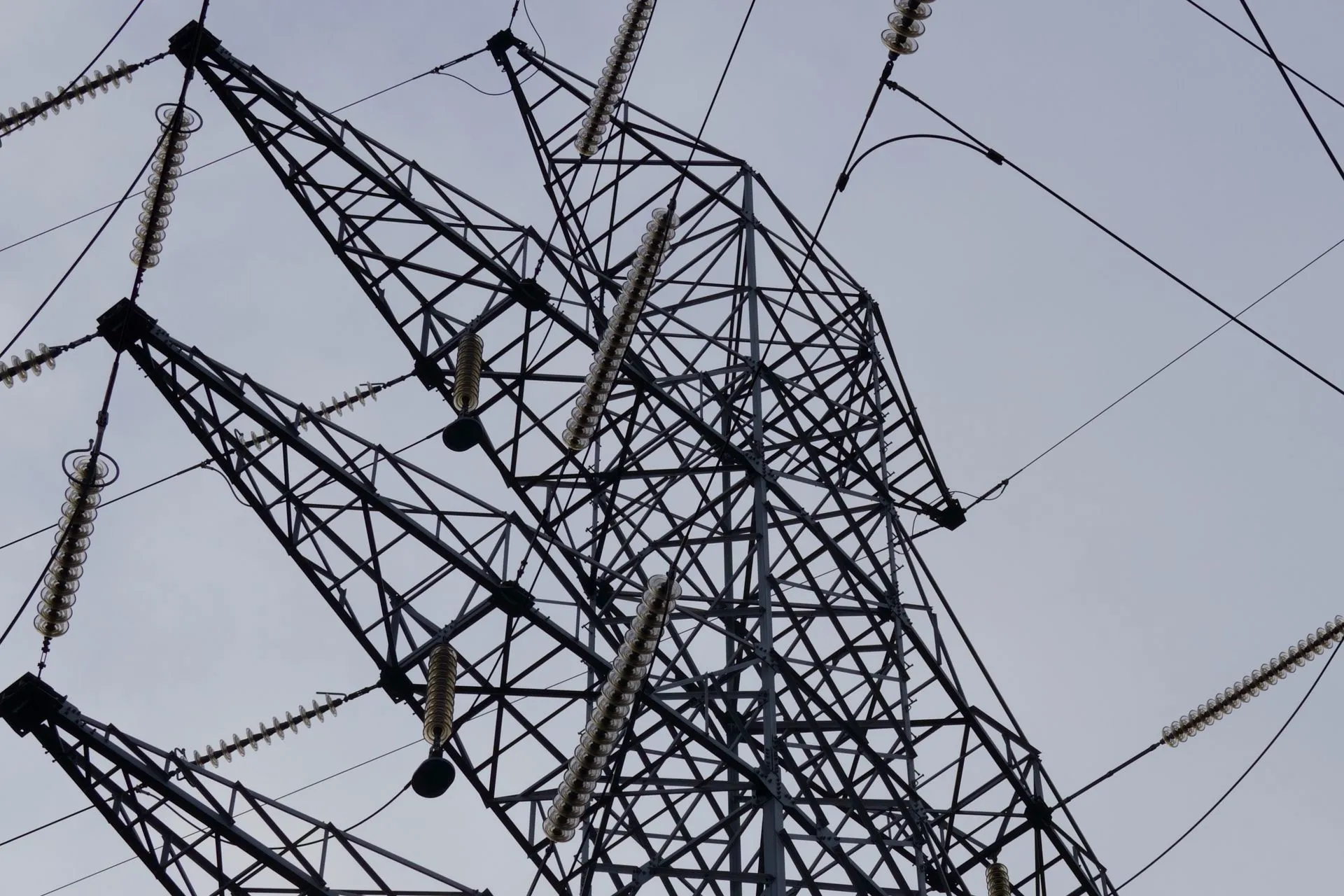
The same week showed the other limit on new capacity: grid power. The Register reported on October 2 that Project Lighthouse, a Vantage-developed campus in Port Washington, Wisconsin, with Oracle (ORCL) as tenant, depends on new transmission from American Transmission Company (ATC), which plans more than $2 billion of transmission projects tied to data center developments across Wisconsin. ATC cannot start until the Public Service Commission of Wisconsin approves its application, which ATC refiled in September after the commission withdrew a finding that the filing was complete.
Research firm Aterio, cited by The Register, estimated a base case of partial power in December 2027 and full supply in October 2028, against an original target of delivery to the customer in the second half of 2027. The campus is planned for 902 megawatts of computing load and 1.3 gigawatts of total demand, according to the report.
The numbers
- Amazon community pledge
- More than $1 billion over five years
- Amazon community spending, past three years
- More than $1 billion (Amazon)
- Data center moratoriums under consideration in US
- More than 100 (Garman)
- ATC data center-linked transmission plans, Wisconsin
- More than $2 billion
- Project Lighthouse load
- 902 MW computing; 1.3 GW total
- Full power, Aterio base case
- October 2028
Why CEOs should care
For cloud buyers, the key point is that new AI capacity now depends on local permits and grid upgrades as much as on chips. If a provider's new region or GPU cluster sits behind a utility approval, its delivery date can slip by a year or more. Ask cloud and colocation vendors where your future capacity will physically come from, whether that site has its grid connection approved, and what happens to your reserved capacity if it slips.
For CFOs, the cost of winning local approval is rising. Amazon is now putting money into community programs, giving up NDAs with agencies and opening its plans to the public. Those costs, along with transmission spending like the more than $2 billion of data center-linked projects ATC plans across Wisconsin, eventually show up in what providers charge. Budget for AI infrastructure prices to reflect power and permitting costs, not only hardware.
For boards of companies building their own facilities, transparency is becoming a condition of approval. Garman's move away from NDAs signals that secrecy has become a political liability. Directors should ask management how a planned site's water, power and tax effects will be explained to residents and local officials before the first hearing.
The bigger picture
Opposition is spreading across the country. TechCrunch noted that New York has put a one-year moratorium on permits for large data centers. In Utah, investor Kevin O'Leary said in early June that he was willing to scale back his proposed Stratos campus in Box Elder County and would send a revised proposal, after Utah Senate President J. Stuart Adams called for cutting it by 75%, from 40,000 acres to about 10,000 acres, The Hill reported.
Amazon's capital plans show what is at stake. The AP reported that Amazon expects to spend $220 billion on capital expenditures, including data centers, in 2026. Spending at that scale needs sites that can be approved and powered on time.
What’s next
In Wisconsin, the next step is the Public Service Commission's review of ATC's refiled application; Aterio's scenarios run from October 2028 to April 2029 for full power depending on how long that review takes. Watch also for how many of the more than 100 proposed moratoriums Garman cited are adopted, and whether other cloud providers follow Amazon in dropping NDAs with government agencies.
What “Fact-checked” means
Fact-checking means testing a story’s facts against the evidence before it is published. This story went through at least two separate checks before this version was published.
- What we checked
- Its names, figures, dates, job titles, quotes and who said what were checked against the story’s sources, including its main source where it could be opened. The headline was checked for accuracy and overstatement.
- How
- A first check reviewed the whole story. If it passed, a second, skeptical check went back to the sources to look for mistakes in the most important facts. If a check flagged the story, it was edited to fix the problems found, and a separate re-check then reviewed the whole story again.
- Who
- The checks are made by our newsroom, as steps kept separate from the writing, under rules set by our editor, Hussein Mukhtar. A story the checks still flag is held for the editor, who decides whether it is fixed, published or dropped.
- If something is wrong
- “Fact-checked” does not mean error-free. If a material error is found after publication, we correct the story and add a note saying what changed. Report an error