
The news
Project Meridian, a 120-day Pentagon study of future warfare, will be co-led by Elon Musk, Anduril founder Palmer Luckey and former House Speaker Newt Gingrich, Defense Secretary Pete Hegseth announced on September 30, 2026. It will identify the domains and technologies the military needs.
Hegseth unveiled the project in his "State of the Force" address at Marine Corps Base Quantico in Virginia, Fox News reported. The three co-leaders will work under the direction of Emil Michael, the Defense Department's chief technology officer, according to TechCrunch; Fox News described Michael as the project's chief director.
According to Hegseth's letter commissioning the project, as reported by TechCrunch, the group will examine what future battlefields will look like and propose practical steps to start developing, testing and fielding advanced military technology. Fox News reported that the effort will map how wars, domains and technologies are likely to evolve, from underground to beyond the moon, and will end with public findings plus a classified annex. The group is meant to identify needed domains and capabilities rather than write strategy, Fox News said.
Hegseth said "the best forecasters of future conflict do not solely reside inside the Pentagon," pointing to institutional bias when the military assesses itself, as reported by Fox News. In the same speech he announced Autonomous Warfare Command, or AUTOWARCOM, a four-star combatant command meant to scale up autonomous and robotic military capabilities, along with new career paths for what Fox News described as autonomous warfighters.
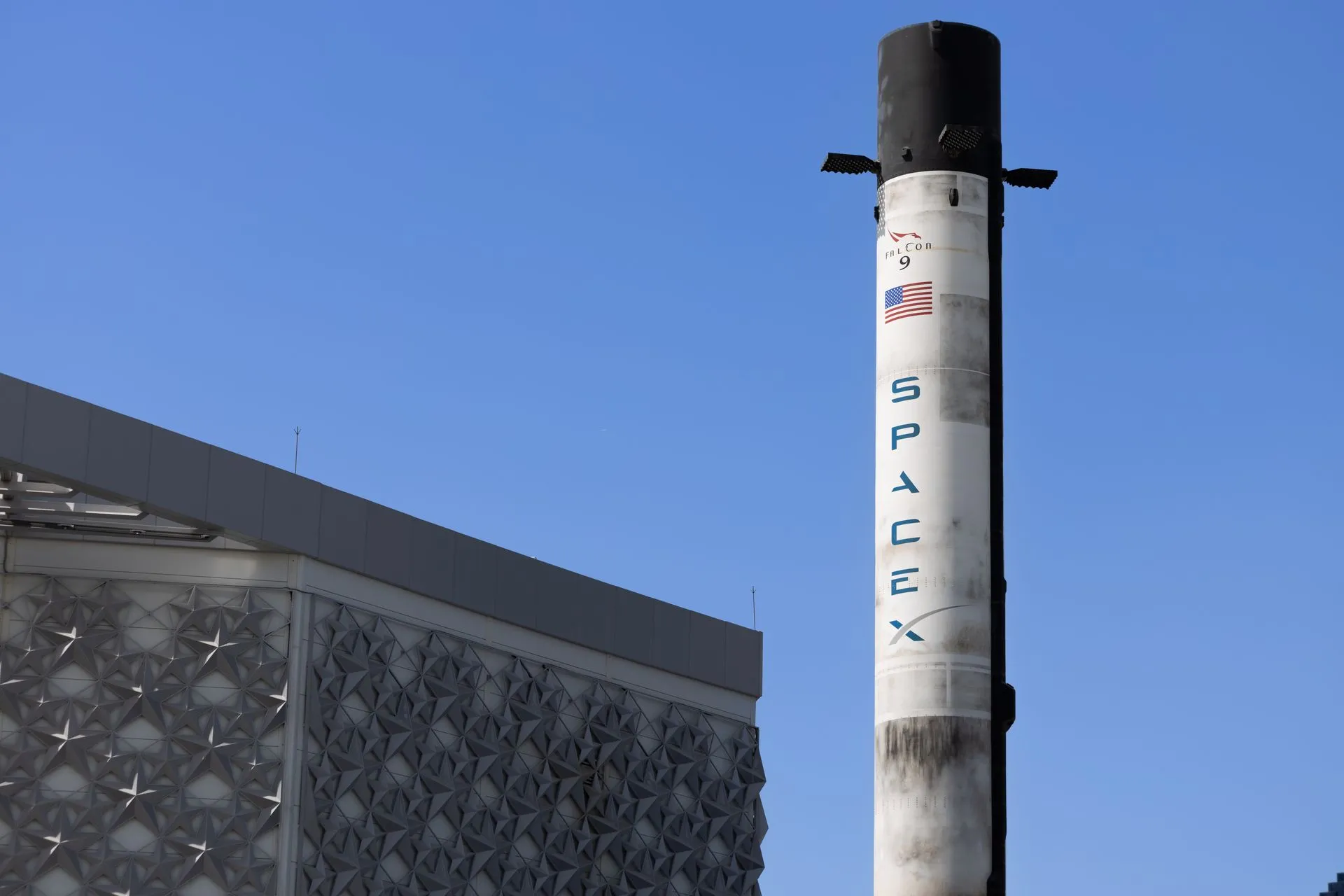
Two of the co-leaders run companies that sell to the government. SpaceX launches satellites for the US government and operates a satellite network that supports national defense and security missions, TechCrunch noted. Anduril has received contracts for long-range missiles, semi-autonomous fighter aircraft for the Air Force, and hardware and integration for the Army's mobile intelligence system, according to TechCrunch.
TechCrunch wrote that critics could argue the appointments line up with Musk's and Luckey's business interests, since the group would be looking for solutions their companies already sell. Fox News also noted the potential for conflicts of interest. Neither report described ethics rules or recusal arrangements for the co-leaders. TechCrunch said the role is Musk's first official return to the administration since he left the Department of Government Efficiency (DOGE) in 2025.
The numbers
- Project Meridian study period
- 120 days
- Co-leaders
- 3 (Elon Musk, Palmer Luckey, Newt Gingrich)
- Announcement date
- September 30, 2026
Why CEOs should care
For defense technology companies and their investors, Project Meridian is an early signal of where Pentagon demand may go. Its public findings, due 120 days after launch (late January 2027 by our count), could steer which domains get budget priority, and the same speech created a four-star command for autonomous and robotic systems. Business development teams should map their products against autonomy, space and the other domains the study names, and be ready to brief Emil Michael's office if the project seeks outside input.
For boards, general counsels and government affairs leaders at competing suppliers, the conflict-of-interest question is practical, not abstract. Ask whether the co-leaders will be classed as government employees subject to financial disclosure and recusal rules, how the group will gather input from firms other than SpaceX and Anduril, and whether its recommendations will name specific products or vendors. Those answers will shape how fair any follow-on procurement looks.
For CFOs at companies that sell to the military, treat the study as a planning input, not a contract. A study that identifies capabilities does not fund them; that still runs through budgets, Congress and competitive awards. Plan scenarios for both outcomes: your segment being named a priority, or a rival technology being favored.
The bigger picture
Project Meridian brings tech founders directly into Pentagon planning, and the creation of AUTOWARCOM in the same speech shows how much weight the department is putting on autonomous systems. Hegseth's stated reason for looking outside was that the military's own forecasters have blind spots when judging themselves.
The tension is that the outsiders chosen also run some of the companies best placed to win the resulting work. How the Pentagon handles disclosure and competition will determine whether the study is seen as independent advice or as a head start for its authors.
What’s next
Watch for the co-leaders' formal status and any ethics agreements, questions from Congress about conflicts of interest, and details on how AUTOWARCOM will be staffed and funded. The study's public findings and classified annex are due at the end of its 120-day window.
What “Fact-checked” means
Fact-checking means testing a story’s facts against the evidence before it is published. This story went through at least two separate checks before this version was published.
- What we checked
- Its names, figures, dates, job titles, quotes and who said what were checked against the story’s sources, including its main source where it could be opened. The headline was checked for accuracy and overstatement.
- How
- A first check reviewed the whole story. If it passed, a second, skeptical check went back to the sources to look for mistakes in the most important facts. If a check flagged the story, it was edited to fix the problems found, and a separate re-check then reviewed the whole story again.
- Who
- The checks are made by our newsroom, as steps kept separate from the writing, under rules set by our editor, Hussein Mukhtar. A story the checks still flag is held for the editor, who decides whether it is fixed, published or dropped.
- If something is wrong
- “Fact-checked” does not mean error-free. If a material error is found after publication, we correct the story and add a note saying what changed. Report an error