The news
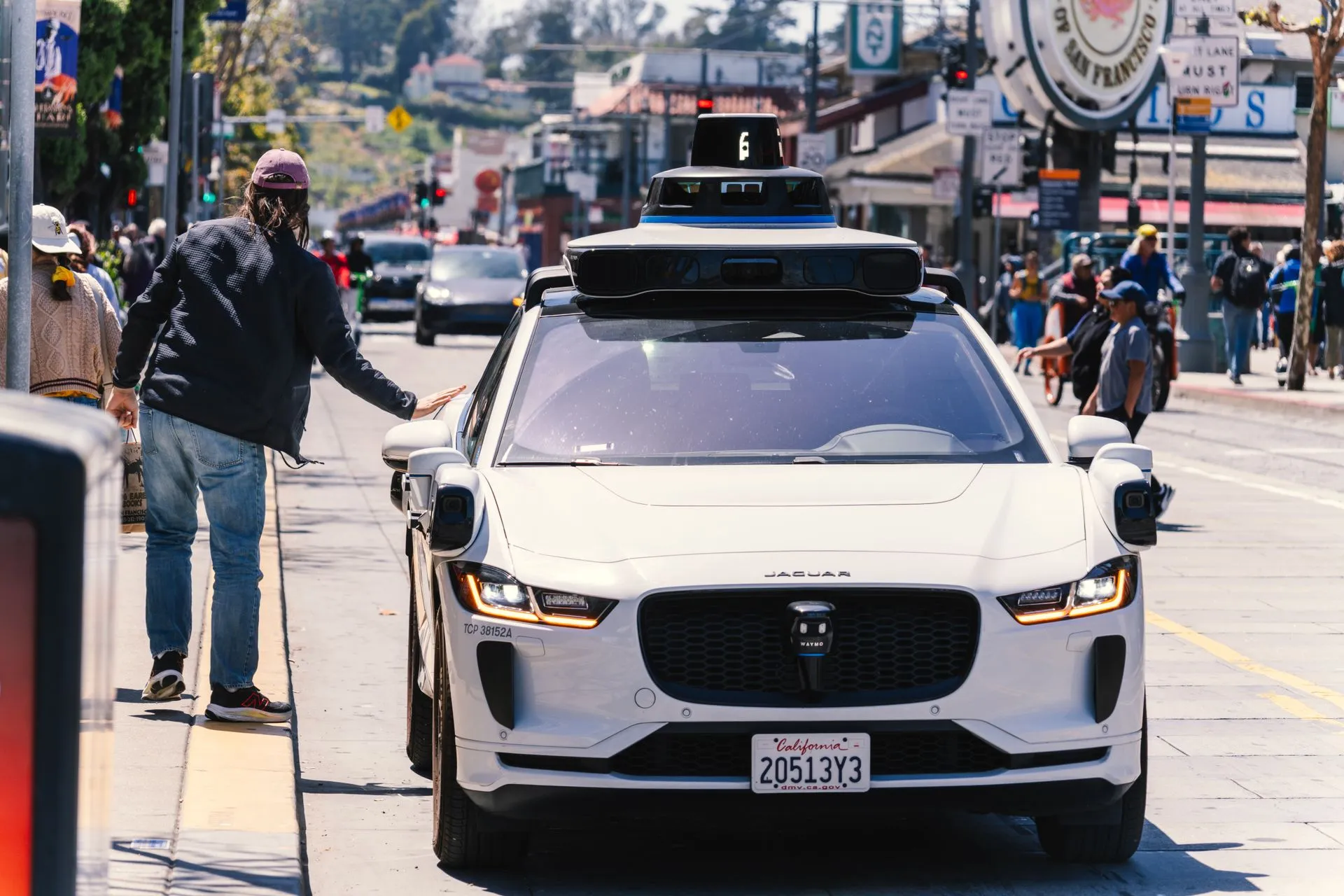
California Gov. Gavin Newsom has signed Senate Bill 1246, a law that penalizes robotaxi operators whose vehicles block first responders for more than 30 minutes, TechCrunch reported on October 1, 2026. The law, written by State Senator Dave Cortese, applies to companies such as Waymo, Tesla (TSLA) and Zoox.
According to TechCrunch, the law takes effect in July 2028. The California Department of Motor Vehicles (DMV) will set guidelines on response times and other details. The TechCrunch report did not state the size of the fines.
Beyond penalties, SB 1246 requires that remote drivers, the people who take over or guide an autonomous vehicle from a distance, be based in the US and hold valid US driver's licenses. Companies must provide local incident technicians for crashes and obstructions, and must tell local jurisdictions where their vehicles are and what state they are in during a system-wide failure.
Cortese's office said, when the bill cleared the Legislature on August 31, 2026, that it also guarantees first responders an on-site company contact, requires vehicles to be disableable manually or remotely at a responder's request, and expands incident reporting. His office said penalty revenue goes back to local jurisdictions. The bill was sponsored by SEIU California, a labor union.
Cortese said in a statement reported by TechCrunch that California has embraced autonomous vehicles but cannot do so at the expense of public safety. His office cited an August 2025 case in which a stranded autonomous vehicle near a Redwood City grass fire took the California Highway Patrol 30 minutes to move, and a December 2025 San Francisco power outage that left about 1,500 Waymo vehicles immobilized, with responders facing 53-minute delays reaching the company.
The numbers
- Obstruction time that triggers penalties
- More than 30 minutes
- Effective date (per TechCrunch)
- July 2028
- Waymo vehicles immobilized in Dec. 2025 SF outage (per Cortese's office)
- About 1,500
- Responder contact delay in that outage (per Cortese's office)
- 53 minutes
Why CEOs should care
For robotaxi operators and their investors, SB 1246 converts a reputational problem into a line item. Penalties tied to a 30-minute clock, the requirement for US-licensed, US-based remote drivers and on-call local technicians all add operating cost in the state where these fleets are most visible. Boards should ask management for an estimate of staffing and compliance costs well before July 2028, and how the US-only rule affects any offshore remote-assistance teams.
For COOs and safety leaders, the outage figures cited by Cortese's office point to the real stress test: fleet-wide failures, not single breakdowns. The law's requirement to notify local governments during system-wide failures means incident playbooks need direct lines to cities and dispatch centers. Questions to ask: how fast can we reach a stalled vehicle, and can a firefighter disable it without calling us?
For city officials and fleet buyers, including logistics firms piloting autonomous delivery, the DMV's coming guidelines will set the practical bar. Watch the rulemaking for response-time standards that could become a model in other states.
The bigger picture
California has been the main proving ground for robotaxis, and earlier incidents of stalled vehicles disrupting traffic and emergency scenes have shaped public debate. TechCrunch previously reported that Waymo has relied on first responders to manually drive its vehicles when problems arise. SB 1246 is a sign that state lawmakers now want accountability rules alongside expansion.
What’s next
The DMV will draft guidelines on response times and other details before the law takes effect in July 2028, according to TechCrunch. Operators including Waymo, Tesla and Zoox will need to show how they plan to meet the on-site and remote staffing rules.
What “Fact-checked” means
Fact-checking means testing a story’s facts against the evidence before it is published. This story went through at least two separate checks before this version was published.
- What we checked
- Its names, figures, dates, job titles, quotes and who said what were checked against the story’s sources, including its main source where it could be opened. The headline was checked for accuracy and overstatement.
- How
- A first check reviewed the whole story. If it passed, a second, skeptical check went back to the sources to look for mistakes in the most important facts. If a check flagged the story, it was edited to fix the problems found, and a separate re-check then reviewed the whole story again.
- Who
- The checks are made by our newsroom, as steps kept separate from the writing, under rules set by our editor, Hussein Mukhtar. A story the checks still flag is held for the editor, who decides whether it is fixed, published or dropped.
- If something is wrong
- “Fact-checked” does not mean error-free. If a material error is found after publication, we correct the story and add a note saying what changed. Report an error