The news
Three defense tech startups announced moves between September 30 and October 1, 2026 that point to production and long-term government work rather than another round of fundraising. Shield AI detailed where it will build and test its X-BAT jet, Defense Unicorns won a $350 million contract vehicle, and Stratolaunch bought a Boeing 777 to carry its hypersonic test vehicles.
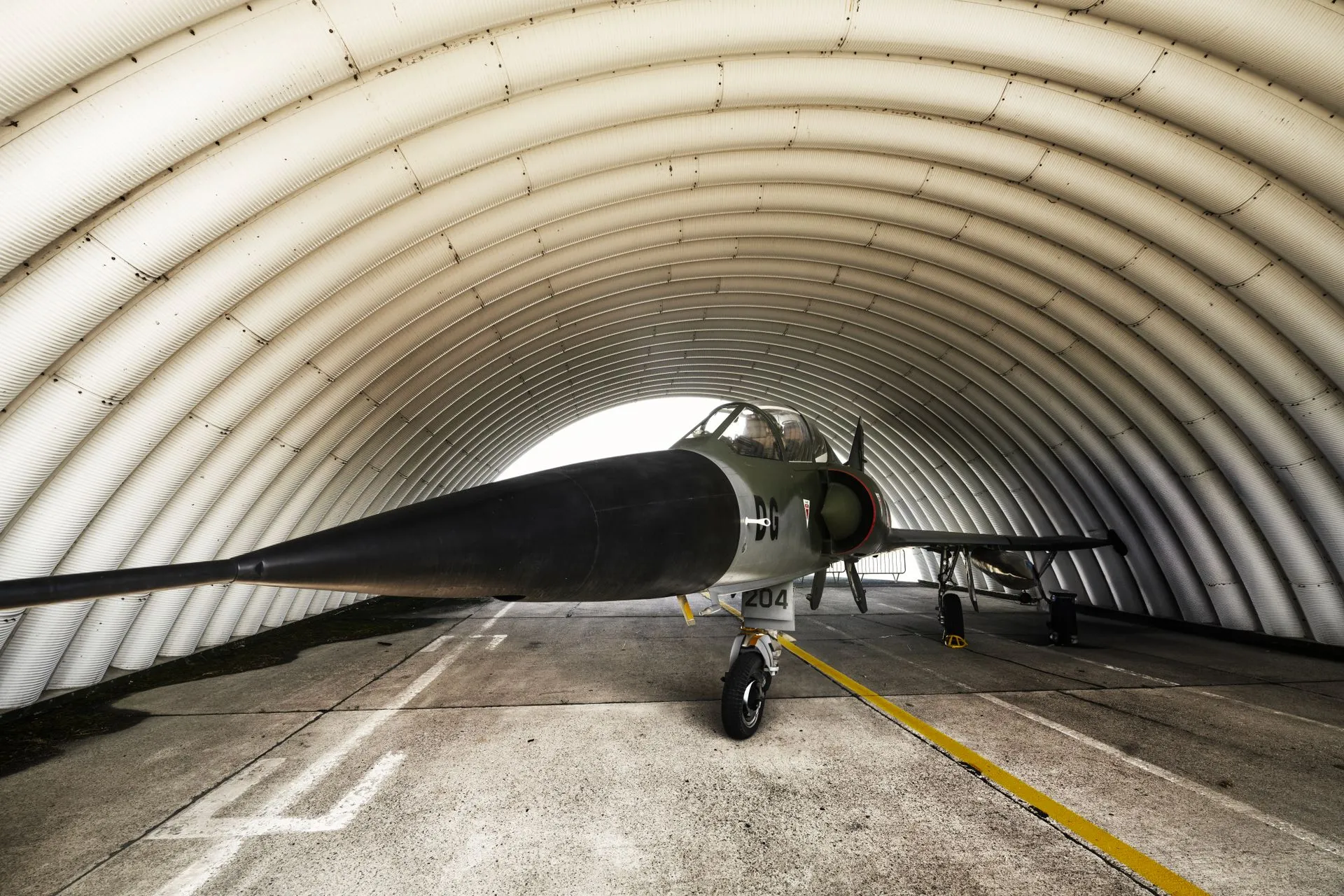
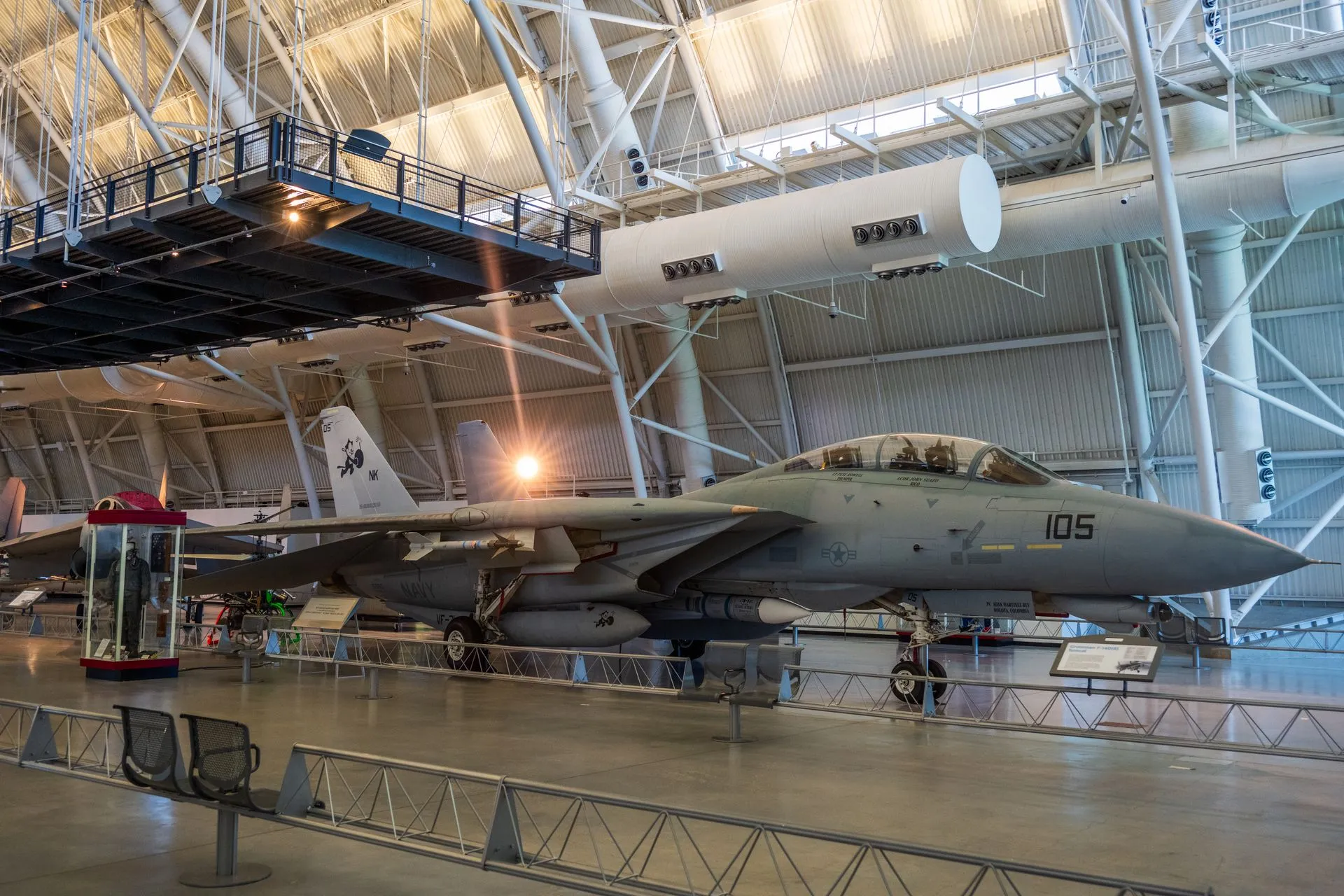
Shield AI, the San Diego company behind the Hivemind autonomy software, laid out a network of X-BAT sites on October 1, according to The Defense Post. Prototyping is in Frisco, Texas; production is planned at a site called X-Forge 3 in Des Moines, Washington, south of Seattle; and testing and sustainment will happen at Newton City-County Airport in Kansas. The Defense Post reported that the company projects about 9,800 jobs by the early 2030s and about $78 billion added to the Newton and Seattle-area economies through 2046. The X-BAT is described as an AI-piloted fighter that can take off and land vertically, with a combat radius of 1,000 nautical miles and a GE Aerospace F110 engine.
Defense Unicorns said on September 30 that Army Contracting Command Aberdeen Proving Ground awarded it a $350 million single-award indefinite delivery, indefinite quantity (IDIQ) contract. An IDIQ sets a ceiling and terms up front, and agencies then place task orders as needed. The company said the contract gives every Department of War organization direct access to its Unified Defense Stack (UDS) Enterprise and UDS Fleet products and allows task orders without competitive re-bidding.
UDS Enterprise provides a hardened runtime and cyber services for cloud, on-premises and battlefield edge systems, and UDS Fleet is a single control plane for managing software across those locations, according to the company. Defense Unicorns said its customers already include the Navy, Air Force and Space Force, and that its software is deployed across more than 100 mission systems and organizations. Co-founder and CEO Rob Slaughter said the award puts the platform on contract for the entire department.
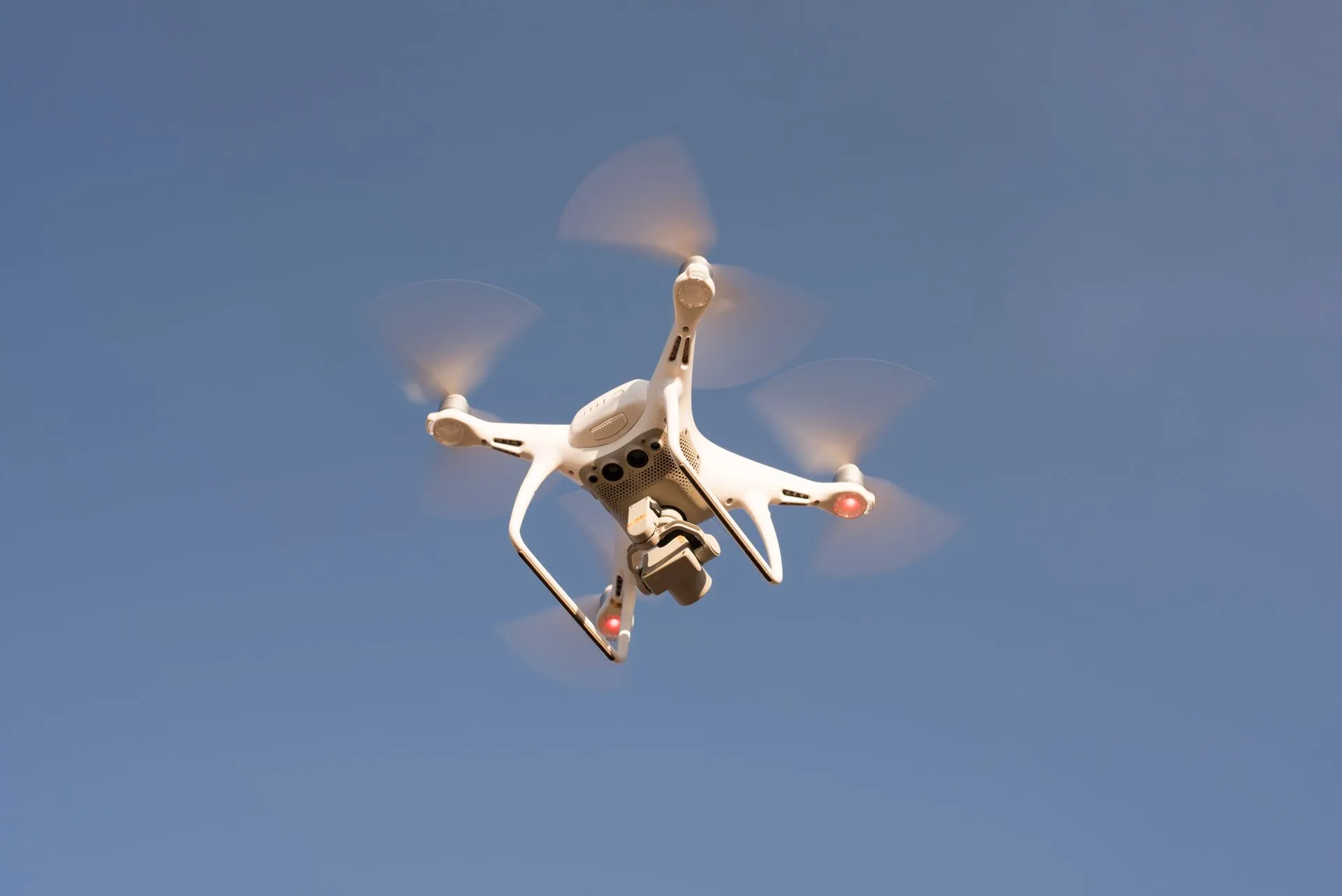
Stratolaunch announced on September 30 that it acquired a Boeing 777-200ER that it will modify to air-launch its Talon-A vehicle, a reusable, autonomous hypersonic test aircraft. Modifications are expected to be finished in 2027. The plane joins its carrier aircraft Spirit of Mojave and Roc, and the company said it raises overall flight capacity by 35%. It did not disclose a price.
The numbers
- Defense Unicorns IDIQ ceiling
- $350 million
- Shield AI projected jobs by early 2030s (Kansas and Washington)
- About 9,800
- Shield AI projected economic impact through 2046
- About $78 billion
- Stratolaunch flight capacity increase
- 35%
- Stratolaunch test vehicle contract (February 2026)
- $90.8 million
Why CEOs should care
For prime contractors and their suppliers, these announcements mean newer firms are building their own factories and holding department-wide contract vehicles. Supply chain leaders at aerospace firms should map where Shield AI's Kansas and Washington sites will need machined parts, composites, avionics and maintenance services, and decide whether to compete or partner.
For software and IT leaders selling to the military, a single-award IDIQ like Defense Unicorns' lowers the friction for any Department of War office to buy one vendor's platform. Competitors should ask program offices how task orders will be placed and whether existing systems must integrate with UDS. Buyers should ask about exit terms and interoperability before standardizing on a single stack.
Boards and investors should read these as a shift from raising money to spending it on fixed assets. Factories, aircraft modifications and job targets bring execution risk: timelines, hiring and certification. Projections such as Shield AI's jobs and economic impact figures are company estimates, not results.
The bigger picture
The moves follow a record run of defense tech funding, including Mach Industries' $3.7 billion valuation, which Tech CEO Daily covered earlier. Stratolaunch also cited a $90.8 million award in February 2026 from the Department of War's Test Resource Management Center for air-launched test vehicles, a sign that government demand for hypersonic testing capacity is growing alongside new aircraft programs.
What’s next
Watch for the first task orders under Defense Unicorns' IDIQ, construction and hiring milestones at Shield AI's Des Moines and Newton sites, and Stratolaunch's progress modifying the 777 ahead of its expected 2027 completion.
What “Fact-checked” means
Fact-checking means testing a story’s facts against the evidence before it is published. This story went through at least two separate checks before this version was published.
- What we checked
- Its names, figures, dates, job titles, quotes and who said what were checked against the story’s sources, including its main source where it could be opened. The headline was checked for accuracy and overstatement.
- How
- A first check reviewed the whole story. If it passed, a second, skeptical check went back to the sources to look for mistakes in the most important facts. If a check flagged the story, it was edited to fix the problems found, and a separate re-check then reviewed the whole story again.
- Who
- The checks are made by our newsroom, as steps kept separate from the writing, under rules set by our editor, Hussein Mukhtar. A story the checks still flag is held for the editor, who decides whether it is fixed, published or dropped.
- If something is wrong
- “Fact-checked” does not mean error-free. If a material error is found after publication, we correct the story and add a note saying what changed. Report an error